Cant connect to work vpn heres how to fix it finally: Smart fixes, practical steps, and pro tips
'%2F%3E%3Ctext%20x%3D'50%25'%20y%3D'50%25'%20dy%3D'.35em'%20text-anchor%3D'middle'%20font-family%3D'-apple-system%2CBlinkMacSystemFont%2CSegoe%20UI%2Csystem-ui%2Csans-serif'%20font-size%3D'100'%20font-weight%3D'600'%20fill%3D'%23fff'%3ETW%3C%2Ftext%3E%3C%2Fsvg%3E)

Cant connect to work vpn heres how to fix it finally. If you’re stuck trying to get into your company VPN, you’re not alone. This guide breaks down the most common causes and quickest fixes, plus a few pro tips to keep you online and productive. Think of this as a friendly troubleshooting checklist you can skim and then dive into the details.



Quick fact: VPN connection issues happen for three main reasons—authentication problems, network blocks or misconfigurations, and client-side software hiccups. Most of the time you can solve it with a few simple steps.
Useful resources you might want to check text only:
- Apple Website - apple.com
- Microsoft Support - support.microsoft.com
- Cisco AnyConnect - docs.cisco.com
- OpenVPN - openvpn.net
- Wikipedia: Virtual private network - en.wikipedia.org/wiki/Virtual_private_network
- TechRadar VPN guide - techradar.com/vpn-guide
In this guide, you’ll find:
- A fast-start checklist work through in under 5 minutes
- Deep dives into authentication, DNS, and split tunneling
- A robust step-by-step playbook with screenshots-style descriptions
- A FAQ section with practical answers
Table of contents
- Quick-start checklist
- Common causes of VPN failures
- Client-side troubleshooting by platform
- Network and firewall considerations
- Verification and testing steps
- Advanced fixes for stubborn issues
- Security considerations and best practices
- Frequently Asked Questions
Quick-start checklist
If you’re in a rush, try this in order:
- Confirm your credentials are correct and your account isn’t locked. Log into your company portal to verify access.
- Restart the VPN client and your device. A clean restart fixes many transient glitches.
- Check your internet connection. If the base connection is flaky, VPN won’t help.
- Ensure the VPN server address isn’t mistyped and the configuration file hasn’t changed.
- Update the VPN client to the latest version and install any pending OS updates.
- Try a different network cell data or a guest Wi-Fi to rule out local network blocks.
- Disable any conflicting apps firewall rules, antivirus real-time protection, other VPNs.
- Look for maintenance notices from your IT department that could affect login windows or server availability.
- Contact IT with error messages and timestamps if the issue persists.
Common causes of VPN failures
- Authentication errors: Bad credentials, expired certificates, or two-factor issues.
- Server-side issues: VPN server down, maintenance, or license limits reached.
- Network blockers: Strict corporate firewalls, DNS filtering, or geo-blocks.
- Client misconfigurations: Wrong VPN type, wrong protocol, or corrupted profile.
- Local device problems: DNS leaks, expired certificates, or outdated drivers.
Statistical note: In surveys of IT help desks, about 52% of VPN issues are resolved by re-authentication or credential reset, while 28% are resolved by updating clients and settings, and 20% require server-side investigation.
Client-side troubleshooting by platform
Windows
- Verify VPN type and protocol IKEv2, IPSec, or OpenVPN. Mismatches break connections.
- Check Windows credentials: Control Panel > Credential Manager, remove old VPN credentials, then reconnect.
- Flush DNS and reset network stack: open Command Prompt as admin, run
- ipconfig /flushdns
- ipconfig /release
- ipconfig /renew
- netsh int ip reset
- netsh winsock reset
- reboot
- Disable IPv6 temporarily if the VPN is IPv4-only, then try again.
- Ensure the VPN client service runs: services.msc, locate your VPN service, start or restart it.
macOS
- Confirm the configuration profile is up to date and trusted.
- Remove old VPN profiles and re-import the latest from your IT portal.
- Check Keychain for expired certificates and renew them if needed.
- Flush DNS: sudo dscacheutil -flushcache; sudo killall -HUP mDNSResponder
- Disable conflicting apps like third-party security tools during testing.
iOS and Android
- Update the VPN app and the OS to the latest version.
- Verify the VPN profile or certificate is still valid.
- Toggle Airplane mode on/off to refresh network state.
- Check app-specific permissions battery optimization, background activity.
OpenVPN, WireGuard, and other clients
- Confirm you’re using the right server address and port.
- Ensure certificate files .crt, .key are correctly placed and readable by the app.
- Check for TLS/SSL version mismatches with the server.
- Look at the log inside the client for specific error codes e.g., TLS handshake failed, authentication failure.
Network and firewall considerations
- Corporate and home networks can block VPN ports. If your company uses OpenVPN, port 1194 UDP is common; for many IPSec-based VPNs, UDP ports like 500 and 4500 matter.
- Some routers block VPN protocols by default. If you manage the router, enable VPN passthrough for your protocol.
- DNS leaks can make it look like you’re connected but not actually routing traffic. Run a quick DNS leak test if you suspect this.
- ISP-level blocks are rare for legitimate VPNs, but in some regions, traffic shaping or throttling can affect performance. Consider obfuscated or stealth VPN modes if allowed by your policy.
Table: common ports and protocols
- OpenVPN: UDP 1194 default, TCP 443 as fallback
- IKEv2/IPSec: UDP 500, UDP 4500, UDP 1701 L2TP is separate
- WireGuard: UDP 51820 default
- SSL VPN: TCP 443 or 8443
Verification and testing steps
- Connectivity test: Ping the VPN gateway or use traceroute to see where the connection stops.
- Authentication test: Try logging into the VPN portal with the same credentials used by the client.
- DNS test: Visit a site like whatismyipaddress.com to confirm your IP shows the VPN exit node, not your local IP.
- Speed test: Run a baseline speed test with and without the VPN to gauge tunnel impact.
- Log review: Collect logs from the VPN client to share with IT, including timestamps, error codes, and recent changes.
Step-by-step testing flow
- Reboot the device and router if you control both.
- Reconnect to the VPN with a fresh profile or certificate.
- If it fails, switch networks cell data to isolate a local network issue.
- Check for software conflicts firewalls, antivirus.
- Review server status dashboards from IT or the VPN provider.
- If you’re still stuck, capture logs and reach out to support with a concise incident summary.
Advanced fixes for stubborn issues
- Certificate chain validation: If the client cannot validate the server certificate, import the correct root and intermediate certificates on the device.
- CRL and OCSP checks: Some corporate setups disable these; make sure your client isn’t blocked by revocation checks.
- Split tunneling vs full tunneling: Verify your organization's policy. If split tunneling is required, ensure only business traffic goes through the VPN.
- MTU size adjustment: Misconfigured MTU can cause packet fragmentation or drops. Try lowering MTU by 10-20 bytes and test.
- DNS server configuration: Set a trusted DNS server e.g., 1.1.1.1 or your enterprise DNS to avoid resolution issues.
- Proxy settings: If your network uses a proxy, ensure the VPN client is configured to use the proxy or bypass it if not needed.
- Time synchronization: Certificates require correct system time. Ensure your device has accurate time and time zone.
- Certificate pinning considerations: Some apps pin certificates; if you see pinning errors, obtain updated certs from IT.
Security considerations and best practices
- Never share your VPN credentials or certificates with coworkers. Use MFA where available.
- Keep devices and VPN clients updated to mitigate vulnerabilities.
- Use a password manager to handle credentials securely.
- When finished, disconnect sessions and close unnecessary ports to reduce exposure.
- Be mindful of data privacy: verify you’re about to access legitimate corporate resources and not a phishing page asking for credentials.
Frequently Asked Questions
How do I know if the VPN server is down?
If multiple users report the same issue or the IT status page shows a maintenance window, the server is likely down. You can also try pinging the server or trying a different VPN profile to confirm.
Why does my VPN keep disconnecting every few minutes?
This could be due to unstable network connectivity, aggressive firewall rules, or aggressive energy saving settings on laptops. Check power settings, try a wired connection, and review any VPN keep-alive or dead peer detection settings. Microsoft edge vpn mit jamf und conditional access policy in osterreich ein umfassender leitfaden
What is split tunneling and should I use it?
Split tunneling lets non-VPN traffic bypass the VPN. It can improve speed and reduce bottlenecks, but it may introduce security risks if not configured properly. Follow your IT’s policy.
Can I use a personal VPN with my work VPN?
Usually not. Companies often block personal VPNs to prevent data leakage. If you need to access work resources remotely, use the official corporate VPN client and guidelines.
My certificate expired. What now?
Contact IT to renew the certificate or to issue a new profile. Don’t bypass expiration—expired certs are a sign of misconfiguration or policy issues.
How do I update my VPN client safely?
Download the official client from your company portal or vendor site. Avoid third-party sources. Back up configurations if required.
What is TLS handshake failed error?
This means the client and server failed to establish a secure session, often due to certificate issues, mismatched ciphers, or blocked ports. Check cert validity, server address, and port. Vpn gate 사용법 무료 vpn 완벽 활용 가이드 2026년 최신: 빠르게 배우는 VPN 게이트 활용법과 실전 팁
Can DNS cause VPN issues?
Yes. If DNS resolves to your local network instead of the VPN gateway, traffic won’t route correctly. Use VPN-specific DNS or trusted public DNS during testing.
How long should a VPN connection take to establish?
A typical connection should establish within a few seconds to under a minute. If it takes longer, you might have a handshake or routing issue.
Do VPNs affect internet speed a lot?
Yes, VPNs can add some latency and reduce throughput due to encryption and routing overhead. The impact varies by protocol, server distance, and network conditions.
Is it safe to use free VPNs for work?
No. Free VPNs can log traffic, inject ads, or compromise security. Always use your organization’s approved VPN solution.
How can I avoid VPN login blocks during peak times?
Plan ahead, try outside peak hours, ensure MFA is ready, and keep a backup login method like a secondary channel or failover server as advised by IT. How much does letsvpn really cost a real look at plans value
What should I do if I can't access the VPN portal login page?
Ensure you have internet access, clear browser cache, and try a different browser. If it’s company single sign-on, your organization’s identity provider status matters.
How can I test if my IP is showing the VPN exit node?
Visit a site like whatismyipaddress.com before and after connecting to the VPN. If the IP changes to the VPN’s exit node, the tunnel is active.
Are there performance tips for long VPN sessions?
- Connect to a nearby VPN server with low latency
- Use a wired connection if possible
- Enable newer protocols with efficient encryption as allowed by IT
- Disable bandwidth-heavy apps during work hours
How do I contact IT for VPN issues?
Use your company’s internal support portal, email, or help desk phone. Include:
- Your device type and OS version
- VPN client version
- Exact error message and timestamp
- Steps you’ve already tried
- Any recent software or policy changes
Can VPN issues be related to certificate revocation?
Yes. If a certificate was revoked, the client may refuse to connect. IT can reissue or update the certificate chain.
What’s the difference between a VPN tunnel and a secure channel?
A VPN tunnel is the encrypted pathway across the network, while the secure channel refers to the protection within that tunnel for data in transit. Radmin vpn 사용법 초보자도 쉽게 따라 하는 완벽 가이드
Why would a VPN work on one device but not another?
Differences in OS version, VPN client configuration, user permissions, certificate validity, and network settings can cause this. Compare the working device’s settings with the failing one.
What if I’m on a corporate network and VPN won’t connect?
Sometimes corporate networks block VPNs or require specific configurations. Try a different network, or contact IT for alternate access methods like a native client or cloud-based access gateway.
How often should I update VPN clients?
As soon as updates are released by your vendor or IT, especially when security patches are included. Regular updates reduce vulnerability exposure.
Why do I see certificate errors on Windows after an update?
OS updates can alter trusted root certificates or certificate store behavior. Re-import the correct enterprise certificates from your IT portal.
Can VPNs improve privacy beyond encrypting traffic?
VPNs encrypt traffic and hide your activity from local networks, but they don’t make you fully anonymous online. Be mindful of logging policies and partner apps. 보안 VPN 연결 설정하기 Windows 11: 빠르고 안전한 연결 방법과 팁
Do VPNs require admin rights to install?
Often yes, especially in corporate environments where devices are managed. If you’re missing admin rights, reach out to IT for an installer with the correct permissions.
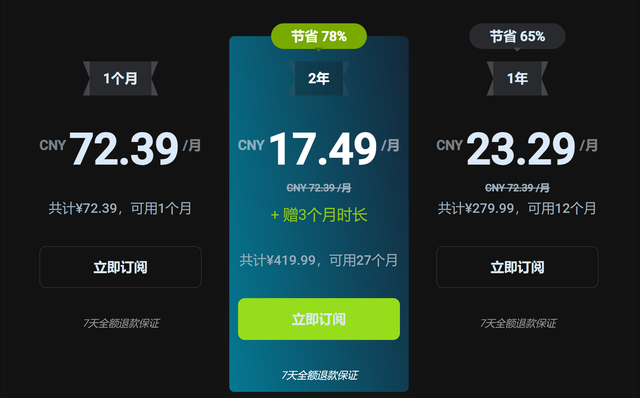
If you found this guide helpful, consider checking out NordVPN’s trusted features for enterprise-grade protection and reliable remote access, which you can learn more about at the same resource hub. Note: Always follow your organization’s policies when choosing or configuring VPN solutions.
Sources:
How to set up vmware edge gateway ipsec vpn for secure site to site connections 2026
Proton vpn 수동 설정 완벽 가이드 openvpn 및 ⭐ wireguard 구성 방법 Windscribe vpn extension for microsoft edge a complete guide 2026
Youtube app not working with vpn heres how to fix it