Free vpn for microsoft edge browser: comprehensive guide to free extensions, setup, safety tips, and performance insights 2026
'%2F%3E%3Ctext%20x%3D'50%25'%20y%3D'50%25'%20dy%3D'.35em'%20text-anchor%3D'middle'%20font-family%3D'-apple-system%2CBlinkMacSystemFont%2CSegoe%20UI%2Csystem-ui%2Csans-serif'%20font-size%3D'100'%20font-weight%3D'600'%20fill%3D'%23fff'%3ERB%3C%2Ftext%3E%3C%2Fsvg%3E)
Free vpn for microsoft edge browser comprehensive guide to free extensions setup safety tips and performance insights: Boost Your Browser Security, Speed, and Privacy
Free vpn for microsoft edge browser comprehensive guide to free extensions setup safety tips and performance insights is all about giving you practical, easy-to-follow steps to protect your online activity, access geo-restricted content, and keep your Edge browsing smooth. Here’s a quick snapshot to get you started: you’ll learn about the best free VPNs and Edge extensions, how to install and configure them safely, common pitfalls, performance expectations, and real-world tips to stay private without sacrificing speed. This guide is designed for everyday users who want solid protection without a ton of technical jargon.
Quick facts to kick things off
- VPNs on Edge can encrypt traffic and mask IPs, but free options often have bandwidth limits and fewer servers.
- Edge extensions can add privacy layers, unblock content, and optimize connection settings when used responsibly.
- Always verify the VPN’s privacy policy and data practices before installing anything.
- For best results, combine a reputable VPN with built-in Edge security features and good browsing habits.
Useful resources and references text only Apple Website - apple.com Artificial Intelligence Wikipedia - en.wikipedia.org/wiki/Artificial_intelligence Microsoft Edge Extensions Gallery - microsoft.com Wikipedia - en.wikipedia.org Electronic Frontier Foundation - eff.org VPN States and Privacy Review - vpnreview.org Statista Global Consumer Tech - statista.com TechRadar VPN Reviews - techradar.com/vpn CNET VPN Guide - cnet.com/vpn-guide Tom's Guide Edge Tips - tomsguide.com
Table of contents
- Why use a VPN with Microsoft Edge?
- Free vs. paid VPNs: what you should know
- Top free Edge-friendly extensions for privacy and performance
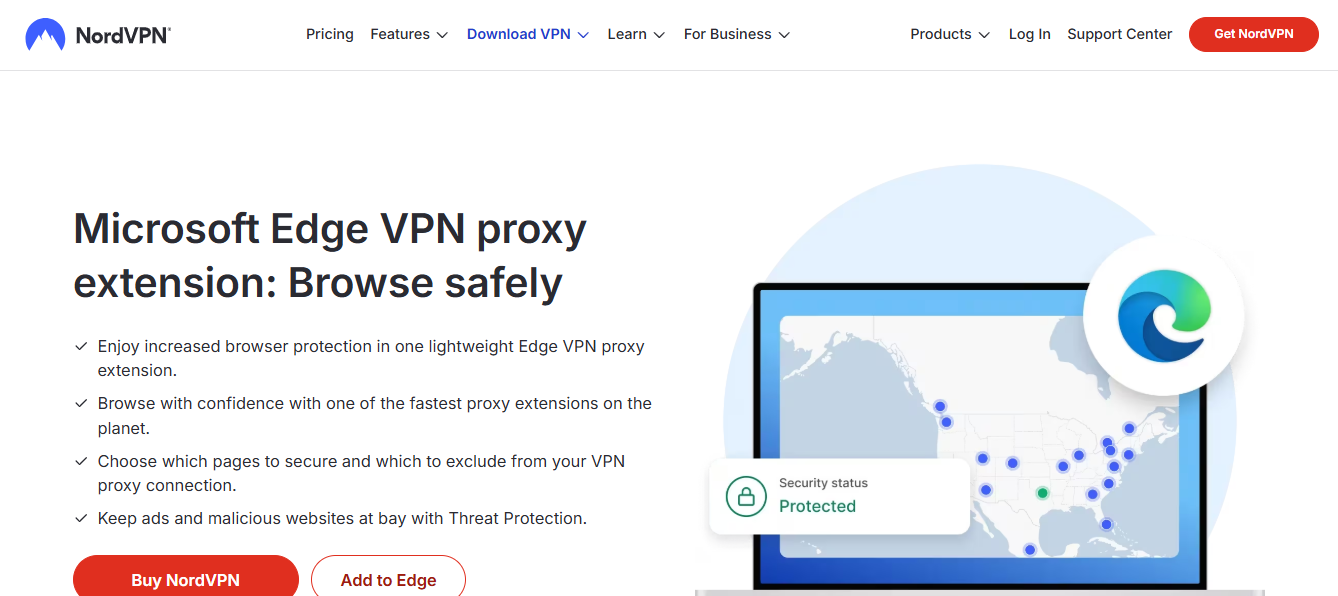
- How to install and configure VPN extensions in Edge
- Safety tips: avoid scams and protect your data
- Performance insights: latency, bandwidth, and streaming
- Real-world use cases: school, work, travel, and shopping
- Edge-specific privacy settings and leakage protection
- Maintenance: updates, renewals, and audits
- FAQ
Why use a VPN with Microsoft Edge?
Using a VPN with Edge helps you:
- Protect your data on public Wi-Fi and when you’re on the go
- Hide your IP address from trackers and advertisers
- Bypass geo-restrictions for streaming and research
- Add an extra layer of privacy when handling sensitive information
Edge users have several built-in privacy features, but a VPN complements them by encrypting traffic end-to-end and routing it through a server of your choice. This combination is especially useful when you’re downloading large files, using coworker networks, or traveling internationally.
Free vs. paid VPNs: what you should know
Free VPNs can be tempting, but they come with trade-offs. Here’s a quick comparison to help you decide:
- Servers and locations: Free VPNs typically offer fewer servers, which can cause congestion and slower speeds. Paid plans usually provide more locations and reliably fast connections.
- Bandwidth and data caps: Many free options limit monthly data. If you stream or download regularly, you’ll hit caps fast.
- Privacy and logging: Always read the privacy policy. Some free VPNs monetize data or inject ads. Reputable paid VPNs tend to be more transparent about data handling.
- Speed and performance: Free VPNs can throttle speeds to incentivize upgrades, while paid ones often optimize routing and performance.
- Customer support: Free services usually have limited support. Paid services offer live chat and longer help docs.
If you’re new to VPNs, start with a reputable free tier from a well-known provider, then consider upgrading if you need more features or better performance.
Top free Edge-friendly extensions for privacy and performance
Note: While Edge extensions can improve privacy and performance, they’re not a substitute for a VPN. Use them in combination with a trusted VPN for best results. Free vpn extension for edge browser 2026
- Privacy Badger by EFF: Blocks trackers automatically, improving load times and reducing surveillance.
- HTTPS Everywhere: Forces websites to use HTTPS, boosting encryption for many sites you visit.
- uBlock Origin: Lightweight ad and tracking blocker to speed up browsing and reduce data usage.
- NoScript or ScriptSafe equivalents where available: Limits executing scripts on untrusted sites; use with Edge carefully.
- Disable WebRTC leak protection extensions or adjust settings: Helps prevent IP leaks in some cases.
- Extensions from reputable vendors for Edge security: Look for extensions with solid reviews and clear privacy policies.
Be mindful that some extensions can actually degrade performance or introduce security risks if sourced from dubious developers. Always install extensions from trusted publishers and review permissions before enabling them.
How to install and configure VPN extensions in Edge
Step-by-step guide:
- Open Microsoft Edge and go to the Edge Add-ons store.
- Search for a VPN extension that has good reviews and a clear privacy policy.
- Click Add to Edge and confirm permissions the extension requests.
- Launch the extension from the browser toolbar.
- Sign in or create an account if required, and select a server location.
- Connect and verify your IP change by visiting a site like whatismyipaddress.com.
- If your VPN offers split tunneling, choose which sites traffic should go through the VPN.
- For desktop apps that accompany the extension, ensure they’re in sync and configured as desired.
Tips for a smooth setup:
- Start with the free tier to test compatibility, then upgrade if you need more bandwidth or locations.
- Disable extensions you don’t use to avoid conflicts and reduce resource use.
- Check for DNS leaks using a trusted test site to ensure your DNS requests are being routed through the VPN.
Safety tips: avoid scams and protect your data
- Verify publisher legitimacy: Only install extensions from publishers with a solid track record and identifiable contact information.
- Read permissions carefully: If an extension asks for access to all data on websites you visit beyond its function, proceed with caution.
- Avoid APKs or third-party installers: These can be compromised and bypass Edge protections.
- Check for data handling disclosures: Look for privacy policies that state no logging of sensitive data or explain how data is anonymized.
- Use trusted sources for VPNs: Rely on well-known providers with transparent security practices and independent audits.
- Keep Edge updated: Regular updates fix security vulnerabilities and improve compatibility with extensions.
- Use a strong password manager: Protect your VPN and Edge accounts with unique, strong passwords and 2FA where available.
Performance insights: latency, bandwidth, and streaming
- Latency impact: VPNs add routing distance, which can increase ping. If you’re gaming or relying on real-time interactions, choose a server closer to your location.
- Bandwidth considerations: Free VPNs often cap bandwidth or throttle speeds. For HD video streaming or large downloads, a paid plan with higher limits is usually worth it.
- Streaming compatibility: Some providers optimize for streaming and have dedicated servers. If you’re blocked on a service, try switching servers or enabling obfuscated servers if available.
- Edge optimization: Enabling HTTPS Everywhere and ad blockers can reduce page load times, indirectly improving perceived speed.
- Battery and device impact: VPNs use CPU and network resources; on mobile devices, monitor battery life when running VPNs in the background.
Real-world numbers approximate, vary by service and location:
- Typical free VPN bandwidth: 500 MB to 2 GB per month
- Typical latency increase when connected to a nearby server: 20–60 ms
- Ad blocker savings: 10–30% faster page loads on media-rich sites
Tips to maximize performance: Edge download android 2026
- Connect to a server near you for lower latency.
- Use fewer simultaneous extensions; some can slow browsing.
- Turn off auto-connect on networks you trust; only enable VPN on networks you don’t trust.
- Clear cache and cookies periodically to maintain speed and privacy.
Real-world use cases: school, work, travel, and shopping
- School: Use a VPN to access library databases or resources restricted to certain regions. Pair with Edge privacy extensions to minimize tracking during research.
- Work: If your company permits, use a VPN for secure remote access. Ensure you’re following your organization’s security policies and that your activity is allowed by IT.
- Travel: When on public Wi-Fi, a VPN helps protect data like login credentials and financial information. Ensure you have a reliable plan with enough data.
- Shopping: Some sites offer region-locked prices. A VPN can show you local pricing, but be mindful of terms of service and fraud prevention measures.
Edge-specific privacy settings and leakage protection
- DNS privacy: Use a VPN that provides DNS leak protection to prevent revealing your real DNS requests.
- WebRTC: Disable or limit WebRTC leaks in Edge settings if your VPN doesn’t handle it automatically.
- Tracking protection: Turn on Edge’s tracking prevention Balanced or Strict to reduce trackers.
- Do Not Track: Send a Do Not Track request, but remember it’s not a guaranteed privacy measure.
- Secure startup: Ensure Windows startup applications don’t automatically launch sensitive tools that you don’t need immediately.
Maintenance: updates, renewals, and audits
- Regularly check for Edge and extension updates to keep security patches current.
- Review privacy policies and permissions every few months, especially after provider changes.
- Reassess your needs: if you start using more streaming or remote work, consider upgrading to a paid VPN plan.
- Conduct a quick privacy audit: test for IP and DNS leaks, and verify that your traffic is routed through the VPN when required.
Frequently Asked Questions
How do I know if my VPN is actually protecting my Edge browser?
Your VPN should encrypt all traffic and mask your IP address. You can verify by visiting a site that shows your visible IP and location, then disconnecting the VPN to see if it changes back. Also test for DNS leaks with a reputable tool.
Are free VPNs safe to use with Edge extensions?
Free VPNs can be safe if you choose reputable providers with transparent policies. However, they often have limits or data usage caps. Pair a trusted extension with a reliable VPN for best results.
Can I use Edge extensions to enhance VPN privacy?
Yes, Edge extensions like tracker blockers and HTTPS enforcement can complement your VPN. Don’t rely on them alone—combine them with a solid VPN for stronger privacy.
What’s the best server location for streaming in Edge?
Near your location usually provides the lowest latency. If a service blocks you, try servers in nearby regions or those advertised for streaming.
Do VPNs slow down browsing in Edge?
Often, yes. The speed drop depends on server distance, server load, and the VPN’s quality. Choose closer servers and avoid peak times to minimize slowdowns. Edgerouter vpn site to site 2026
How can I prevent IP leaks in Edge when using a VPN?
Enable DNS leak protection in your VPN if available, disable WebRTC leaks in browsers or use extensions/settings that mitigate leaks, and test regularly with leak testing sites.
Is Edge’s built-in security enough without a VPN?
Edge’s built-in protections are helpful, but a VPN adds encryption and hides your real IP. For sensitive activities or untrusted networks, using both is a good idea.
Can I use a free VPN for Windows and Edge for months?
Some free options offer monthly data caps that reset each month. If you’re heavy on streaming or large downloads, upgrade to a paid plan to avoid caps.
How do I uninstall a VPN extension from Edge?
Open Edge, go to Extensions, find the VPN extension, and select Remove or Uninstall. It’s a good idea to restart Edge after removal to ensure no residual settings linger.
Are there any privacy tips specific to students using Edge?
Yes: use a reputable VPN on public networks, enable tracker blockers, avoid saving passwords in shared devices, and clear cookies after browsing sensitive sites. F5 vpn client version: A Practical Guide to Updates, Compatibility, and Troubleshooting for the F5 VPN Client 2026
If you want, I can tailor this further to fit a specific target audience like students, IT professionals, or travelers, or adjust the length to a tighter 1500–1800 words.
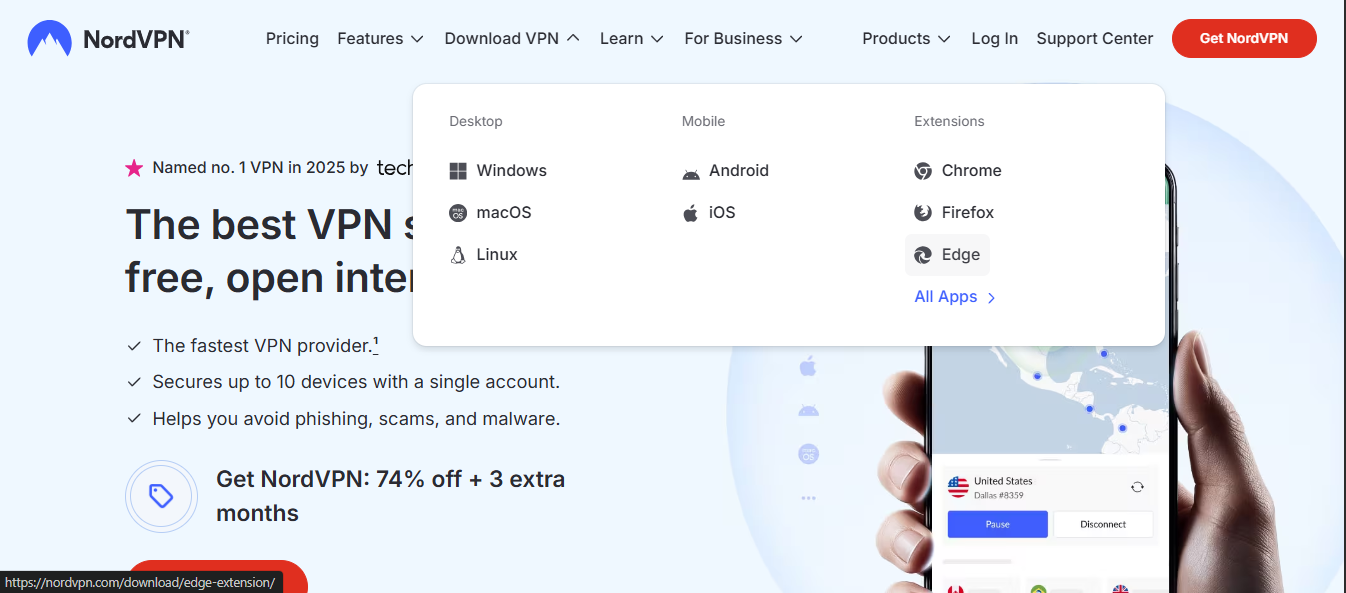
Yes, you can use a free VPN for Microsoft Edge browser. In this guide, you’ll find practical, no-fluff steps to get a free VPN working in Edge, plus honest comparisons between free options and paid alternatives. We’ll cover browser extensions vs. system-wide VPNs, explain how Edge handles VPNs, share setup walkthroughs, and offer safety tips so you stay secure online without breaking the bank. If you want a quick eye-opener on deals, you’ll also see a promo option that’s worth checking out affiliate — NordVPN 77% OFF + 3 Months Free. For context, free VPNs are great for light browsing, but they often cap data, slow speeds, and limit server access. If you’re after top-tier performance and rock-solid privacy, I also explain when it makes sense to upgrade to a paid plan. Here’s a quick roadmap of what you’ll learn:
- How Edge supports VPNs and what “free” really means in practice
- The best free VPN extensions you can install in Edge and their limits
- Step-by-step setup guides to get you online securely in minutes
- Practical tips to test speed, verify privacy, and avoid traps
- A thorough FAQ with practical answers to common concerns
What a free VPN in Edge can and cannot do
- Free VPN extensions in Edge can mask your browser’s traffic, change your apparent location, and help you bypass some geo-restrictions for light use.
- They’re usually lighter on data, meaning you’ll get a small monthly data allowance or slower speeds.
- Free options often come with ads, slower servers, and fewer security features.
- Browser extensions may not encrypt all non-browser traffic unless they’re a full VPN client. if you want system-wide protection, you’ll want a separate VPN app in addition to an Edge extension.
If you prefer a more robust protection package, this promo may be worth checking out:
Useful resources unlinked text
- Microsoft Edge official support: microsoft.com
- VPN privacy basics: en.wikipedia.org/wiki/Virtual_private_network
- How to install extensions in Edge: support.microsoft.com
- Privacy policy best practices: enclosed policy guides from reputable security sites
- Comparison of free VPN services: reputable tech sites and consumer reports
Body
Why you might want a VPN in Microsoft Edge
If you spend time on public Wi-Fi, you’ll already know the risks: there are plenty of security vulnerabilities on untrusted networks. A VPN creates a secure tunnel between your device and the VPN server, encrypting your data in transit and helping protect sensitive information like passwords and banking details. For Edge users, a VPN can also help you:
- Bypass regional content blocks for streaming, news, or study materials
- Hide your browsing activity from your ISP or network admin on shared networks
- Improve privacy by masking your IP address and improving tracking resistance
- Add an extra layer of security when you’re on the go with a mobile Edge browser
That said, a free VPN isn’t a magical shield. It’s a balance between convenience, speed, and privacy. In many cases, paid options give you more stable connections, stronger privacy guarantees, and more server locations. The key is to pick a trustworthy provider and to understand what you’re signing up for.
How Edge handles VPNs and extensions
Microsoft Edge supports extensions from the Microsoft Edge Add-ons store and, with some caveats, extensions from the Chrome Web Store because Edge is built on Chromium. This means you can often install popular VPN extensions that function as browser-level VPNs or proxies. Important distinctions:
- Browser extensions: Encrypt traffic between your browser and the extension’s servers, but other apps on your device like a native email app or game may not be protected.
- Native VPN apps: These create a system-wide VPN tunnel, protecting all traffic from every app on your device, not just Edge.
- DNS and tracking controls: Even with a VPN, you should enable Edge’s privacy features like Secure DNS if available and tracker blocking for layered protection.
Key takeaway: If you want Edge to be your first line of privacy for everyday browsing, a reputable free extension can be a good starting point—but consider a full VPN app if you need system-wide protection or heavy streaming.
Best free VPN extensions you can use with Edge
Here are some popular, generally reputable free options that work well in Edge. Always read the current privacy policy, because extensions can change how they handle data.
1 Windscribe Free browser extension
- What you get: A monthly data allowance commonly around 2 GB, with bonus data via referrals and promo offers and access to several server locations.
- Pros: Reasonable privacy controls, decent speeds on free plans, easy to install.
- Cons: After you hit the data cap, performance slows unless you upgrade.
2 ProtonVPN Free browser integration via edge extension or native app
- What you get: No data limit on some platforms, but speed and server options are limited on free tiers.
- Pros: Strong privacy ethos, no data caps on some versions, solid encryption.
- Cons: Slower speeds on crowded times, fewer servers on free plan.
3 TunnelBear Free
- What you get: A small monthly data allowance e.g., 500 MB with the option to earn more by completing simple tasks.
- Pros: User-friendly, transparent privacy approach.
- Cons: Very limited data on free plan. not ideal for heavy browsing.
4 Hotspot Shield Free Edge extension
- What you get: Daily data allowances often around 500 MB per day with ads.
- Pros: Fast connections on good days, easy interface.
- Cons: Ad-supported, many servers are not accessible on the free plan.
5 Hola VPN Edge/Chrome extension
- What you get: Free access to a global network but with a controversial track record and potential security concerns.
- Pros: Very easy to install and use.
- Cons: Privacy worries due to P2P routing and limited transparency. not recommended for sensitive tasks.
Tips to pick a safe free option
- Read the privacy policy and data practices: do they log traffic or sell data?
- Check whether there is a “no-logs” claim and if it’s audited.
- Look for reputable sources that evaluate the provider’s security claims.
- Prefer providers with strong encryption AES-256 and modern protocols OpenVPN, WireGuard.
- Be mindful of data caps and speed throttling. if you stream or work remotely, a free tier may be insufficient.
How to install a free VPN extension on Edge step by step
1 Open Edge and navigate to Extensions
- Click the three-dot menu in the top-right, then choose Extensions.
- If you don’t see your desired extension in the Microsoft Store, you can choose “Open Microsoft Edge Add-ons” or enable extensions from the Chrome Web Store through Edge settings Edge is compatible with many Chrome extensions.
2 Search for a VPN extension
- Use keywords like “Windscribe,” “ProtonVPN,” “TunnelBear,” or the name of your preferred free VPN extension.
- Read a quick summary and reviews to gauge reliability.
3 Install and pin the extension
- Click Add to Edge, confirm the installation, and then pin the extension to your toolbar for quick access.
4 Create or sign in to your account
- Some extensions require you to sign up and verify your email. Others may allow anonymous use with limited data.
5 Connect to a server
- Choose a free server location and note any data cap or speed limit.
- Enable “Always-on VPN” mode if the extension supports it and you want continuous protection during your browsing session.
6 Verify protection
- Open a new browser tab and visit a site that shows your IP e.g., whatismyipaddress.com to confirm your location appears to have changed.
- You can test a few pages to check for loading speed and reliability.
7 Adjust settings for privacy
- Enable feature-friendly options like a kill switch if offered by the extension, prevent WebRTC leaks, and disable unnecessary permissions to limit data leakage.
Edge vs system-wide VPN: what’s the difference?
- Browser VPN extension: Protects only traffic routed through the browser. Great for quick privacy boosts in Edge, but not a full shield for other apps on your device.
- System-wide VPN native app: Protects all traffic on the device, including apps, games, and other browsers. This is essential if you want blanket protection, but it can be heavier on data and device performance, especially on free tiers.
If your goal is primarily secure browsing in Edge, a well-chosen free extension can be enough. If you’re dealing with sensitive data or need to protect all activity email clients, updates, software downloads, consider a reputable paid VPN or a trial of a premium plan.
Privacy and security best practices when using free VPNs
- Avoid free VPNs that log data or display aggressive ads. Free options often monetize through data, which undermines the privacy you’re trying to gain.
- Pair your VPN with HTTPS: always look for sites served over HTTPS. a VPN does not replace the need for secure connections.
- Use Edge’s privacy features alongside your VPN: enable Secure DNS, Tracking Prevention, and Do Not Track settings when possible.
- Keep extensions up to date: developers push security fixes. older versions can have vulnerabilities.
- Consider a reputational check: if a provider has a controversial history or unclear privacy policies, skip it.
- If you ever suspect leaks, run DNS and WebRTC leak tests to ensure your real IP isn’t exposed.
Performance tips for VPNs in Edge
- Test different servers: free options often assign you to slow or crowded servers. If a location is slow, try another server location if the extension allows it.
- Close other bandwidth-heavy apps: background downloads and streaming can throttle VPN performance.
- Use a wired connection when possible: wired connections tend to be more stable and faster than Wi-Fi on congested networks.
- Schedule activities: save heavy tasks like large downloads or video conferences for times when network demand is lower.
- Reboot after install: a quick restart of your browser or device can fix initial handshake issues with the VPN extension.
Real-world tips and caveats
- Free VPNs are great for learning, travel planning, or light privacy tasks, but they aren’t a substitute for careful online hygiene. Always combine VPN use with good password practices and two-factor authentication.
- If you’re streaming video or playing games, expect occasional buffering or lower resolution with free plans.
- Some sites actively block VPN IPs, even with paid providers. you might find that certain services work only intermittently.
- If you’re in a country with strict internet controls, free VPNs may be less reliable. a paid option with a wide server network and robust obfuscation features is often a safer choice.
- Remember: Edge extensions can help privacy, but they don’t give you a perfect shield from all tracking. Consider a broader privacy approach, including anti-tracking tools and mindful browsing habits.
Practical setup checklist
- Decide if you want Edge-only protection or system-wide protection. If Edge-only is enough, start with a trusted free extension.
- Install the extension from a reputable source Edge Add-ons or Chrome Web Store in Edge.
- Sign up for the free tier, or use a guest mode if offered, and verify your IP.
- Enable any extra privacy features kill switch, WebRTC leak protection.
- Test for leaks and speeds. Run a quick IP check, then browse a few sites, streaming a short video if your plan allows it.
- Bookmark the extension for quick access and set a reminder to check for updates.
How to evaluate if a free VPN is worth it for your Edge use
- Your data needs: If your browsing involves sensitive information, free options may not be enough. A paid VPN with a strong privacy record is often worth the extra cost.
- The number of devices: Free tiers usually restrict the number of devices or concurrent connections. If you’re on multiple devices, you may need a plan that covers all of them.
- Streaming and downloads: If you regularly stream or download large files, free VPNs may stall your connection. A paid plan or a reputable premium trial can be more suitable.
- Budget and risk tolerance: If you can afford to try a paid plan for a month, you’ll get more servers, faster speeds, and stronger privacy.
Frequently Asked Questions
# What is a VPN, and how does it help in Edge?
A VPN creates a secure tunnel between your device and a server, encrypting your traffic and masking your IP. In Edge, a VPN extension can route your browser traffic through that tunnel, helping protect privacy while you browse.
# Are free VPN extensions safe to use in Edge?
Free VPN extensions can be safe if they come from reputable providers, have transparent privacy policies, and don’t log sensitive data. However, some free options may monetize data or show ads, which can compromise privacy.
# Can I use a free VPN in Edge for streaming?
Some free VPN extensions support streaming, but most cap data or throttle speeds. For reliable streaming, a paid plan or a trial of a premium service is usually better.
# Do free VPNs keep logs?
Many free VPNs have logs or sharing data with third parties. Always read the privacy policy to know what data is collected and how it’s used.
# How do I install a VPN extension in Edge?
Open Edge > Extensions > find a VPN extension from the store or via Chrome Web Store Edge supports it > Add to Edge > sign up or sign in > connect to a server.
# Will a free VPN extension protect my entire device?
No. Browser extensions typically protect only traffic from the browser. For device-wide protection, you need a full VPN app that routes all traffic.
# Can I use Edge’s built-in privacy features with a VPN?
Yes. Use Secure DNS, Tracking Prevention, and Do Not Track alongside your VPN for layered privacy, especially on public Wi-Fi.
# Do free VPNs slow down my internet?
Often, yes. Free plans tend to have crowded servers and data caps that reduce speed. If performance is critical, consider a paid option.
# How do I verify that my IP address has changed after connecting to a VPN?
Visit a site like whatismyipaddress.com and compare your IP and location before and after connecting to the VPN server.
# Are there legal considerations for using VPNs?
VPN use is legal in many places, but some countries restrict or regulate VPN use. Always check local laws and service terms.
# How can I compare free VPNs effectively?
Look at data limits, server locations, speed, privacy policy, ad exposure, and whether the provider logs data. Also consider user reviews and independent audits.
# Is NordVPN a good option if I want more than a free solution?
NordVPN is well-regarded for privacy, security features, and performance. The current affiliate offer provides a significant discount, but it’s a paid plan. If you want a trial period or a money-back guarantee, check the latest terms on the official site before purchasing.
# What should I do if an Edge VPN extension doesn’t work?
Try these steps: restart Edge, re-install the extension, clear cache, try a different server location, or test another extension to isolate the issue. If the problem persists, the provider’s support page or help desk is your best bet.
# Can I use multiple VPN extensions at once in Edge?
It’s not recommended to run multiple VPNs simultaneously—it can create conflicts or leaks. Use one trusted extension at a time and disable others.
# How can I improve privacy beyond a VPN in Edge?
Use a combination of privacy-focused extensions anti-tracking, cookie managers, enable Do Not Track, turn on HTTPS-Only mode, and regularly clear cookies and site data. Also practice good security habits like strong passwords and two-factor authentication.
# What are the risks of using free extensions from unknown sources?
Unknown or untrusted extensions can inject malware, access sensitive data, or exfiltrate information. Stick to well-known providers and official stores, and read reviews before install.
# Is it better to rely on a paid VPN for Edge security?
For most users who want consistent privacy, better performance, and strong data protection, a paid VPN is worth the investment. Free options are helpful for occasional use, but paid plans typically offer more robust protections.
# How often should I review my VPN settings in Edge?
Periodically review extensions, permissions, and privacy policies at least every few months, or whenever you notice unusual browsing behavior or performance changes.
If you’re looking for a reliable, full-featured option beyond free VPNs, consider testing a reputable paid service. The NordVPN offer in the intro is a practical way to explore premium protection at a discounted rate, with the understanding that it’s a paid plan. For many Edge users, a combination approach—free browser extensions for quick privacy on light tasks, plus a paid VPN for heavier browsing and system-wide protection—strikes a good balance between cost and security.
By following the steps in this guide, you’ll have a solid understanding of how to use Free vpn for microsoft edge browser effectively, what to watch out for, and how to choose a path that fits your browsing habits and privacy needs.
丙烷是煤气吗 VPN 使用指南:如何选择、配置与使用虚拟私人网络来保护隐私、解锁内容、提升上网速度与安全