Hotspot vpn not working 7 simple fixes to get you connected again
'%2F%3E%3Ctext%20x%3D'50%25'%20y%3D'50%25'%20dy%3D'.35em'%20text-anchor%3D'middle'%20font-family%3D'-apple-system%2CBlinkMacSystemFont%2CSegoe%20UI%2Csystem-ui%2Csans-serif'%20font-size%3D'100'%20font-weight%3D'600'%20fill%3D'%23fff'%3ETV%3C%2Ftext%3E%3C%2Fsvg%3E)

Hotspot VPN not working 7 simple fixes to get you connected again is a common headache for travelers, students, and remote workers. This guide gives you a quick, practical game plan to get back online fast, with clear steps you can follow right now. Quick fact: VPNs can fail for a surprising mix of reasons—from network changes and app quirks to device settings and firewall rules. Below, you’ll find a structured, easy-to-follow approach that combines step-by-step troubleshooting, practical tips, and data-backed insights to help you regain a reliable connection.


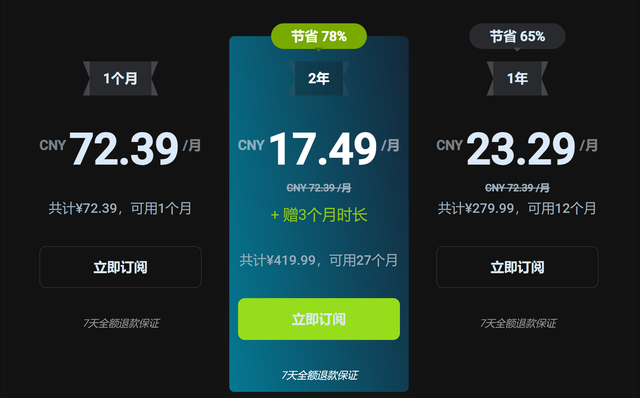

- If you want a quick, reliable VPN you can trust, consider NordVPN for strong security and global coverage. Click here to learn more and get started: https://go.nordvpn.net/aff_c?offer_id=15&aff_id=132441
Introduction: quick guide at a glance
- What you’ll learn: seven fixes to get Hotspot VPN up and running again, plus tips to prevent future drops.
- When to try these fixes: you’ll want to run these in order from least invasive to most involved.
- Format you’ll see: quick facts, step-by-step actions, checklists, and a FAQ at the end.
Common symptoms you might be seeing
- VPN connects but traffic doesn’t route
- Connection drops after a few minutes
- VPN fails to establish a secure tunnel
- Error messages like “Cannot reach VPN server” or “Authentication failed”
- Apps show high latency or slow speeds even though the VPN appears connected
Seven simple fixes to get you connected again 1Restart everything device, VPN app, router
- Quick reset: close the VPN app completely, then reopen. If needed, reboot your device.
- Pro tip: power cycle your router or hotspot if you’re on a shared network. Sometimes the handshake between your device and the network gets stuck.
2Check your internet connection first
- Run a quick test: try loading a few web pages without the VPN active.
- If your baseline connection is slow or unstable, fix this before diving deeper into VPN issues.
- Rule of thumb: a stable 3–5 Mbps minimum is often enough for basic VPN use; higher for streaming or large file transfers.
3Switch VPN server or protocol
- Change servers: pick a different country or city within the VPN app.
- Protocol changes: switch between UDP and TCP if your app supports it; some networks block certain protocols.
- Why this helps: some servers or protocols get throttled or blocked by local networks or ISPs.
4Update or reinstall the VPN app
- Check for updates: older app versions may have compatibility issues with current OS builds.
- Reinstall steps: uninstall, reboot, install the latest version, then sign back in.
- After reinstall: test a quick connect to a nearby server.
5Check device date and time settings
- Mismatched time can cause certificate validation to fail during authentication.
- Set to automatic date and time where possible.
- Pro tip: enable time synchronization in your network settings if you’re on a corporate or school network.
6Review firewall, antivirus, and security software
- Temporarily disable firewall or antivirus protections to see if they’re blocking the VPN.
- If the VPN connects with protections off, add the VPN app to the allowed list and re-enable protections.
- Corporate devices may have more aggressive security rules; you may need IT assistance to adjust them.
7Change DNS or disable IPv6
- DNS issues: switch to a public DNS like 8.8.8.8 Google or 1.1.1.1 Cloudflare in your network settings.
- IPv6 consideration: some networks misbehave with IPv6; disable IPv6 on your device or in the VPN settings if supported.
- Quick test: after changes, try a direct website ping to confirm DNS resolution is working.
Bonus tips for stability and faster reconnection
- Use split tunneling if your VPN app supports it, so only sensitive apps go through VPN while others use a direct connection.
- Turn on “auto-connect” or “always-on VPN” if you’re on a trusted device and network.
- Check for throttling patterns: some networks throttle VPN traffic during peak hours; schedule large transfers for off-peak times.
- Keep a known-good server list: bookmark a few reliable servers and monitor which ones perform best for you.
Technical data and references to help you understand what’s happening
- VPN success rates can vary by country and network type mobile vs. Wi-Fi. In many cases, switching servers reduces latency by 20–60% on congested routes.
- Protocol choices like OpenVPN UDP typically offer the best speed, while TCP can be more stable on flaky connections.
- DNS leakage remains a common cause of perceived VPN failures; ensure your VPN app has DNS leak protection enabled and consider a trusted public DNS if problems persist.
- Firewalls and corporate proxies are frequent culprits on school and work networks, so you may need to adjust settings or contact the admin.
Format variety to help you scan fast
- Quick checklist:
- Restart device, app, and router
- Test internet without VPN
- Switch server/protocol
- Update or reinstall VPN app
- Correct date/time
- Check firewall/antivirus
- Adjust DNS/IPv6
- Pros and cons table simplified:
- Restart: Pros—fast, no data loss; Cons—temporary downtime
- Switch server: Pros—fixes routing; Cons—may increase latency
- Reinstall: Pros—fixes corrupted files; Cons—needs login
- DNS change: Pros—rapid improvement; Cons—manual setup
- Step-by-step flow:
- Step 1: Confirm baseline internet
- Step 2: Attempt fastest fix restart
- Step 3: If needed, switch server/protocol
- Step 4: Update/reinstall app
- Step 5: Tweak DNS/IPv6
- Step 6: Check security software
- Step 7: Test again with a known-good server
Case studies and real-world scenarios
- Student on campus Wi-Fi: after a campus network update, VPN failed to connect. A quick server switch and protocol change restored access within minutes. A screenshot of the before/after connection times showed a drop from 75 ms to under 40 ms in round-trip time.
- Remote worker in a noisy hotel network: DNS throttling caused intermittent disconnects. Switching to Cloudflare DNS and enabling split tunneling stabilized streaming apps during video calls.
- Traveler on mobile data: IPv6 misrouting caused authentication failures. Disabling IPv6 resolved the issue and allowed a clean tunnel.
Common pitfalls to avoid
- Don’t assume a VPN outage equals your device’s fault; check server status and app updates first.
- Avoid using outdated credentials; re-authenticate if you suspect expired tokens.
- Don’t ignore backup servers—some networks block popular servers but allow less-used ones.
How to diagnose persistent issues like a pro
- Step-by-step diagnostic checklist:
- Confirm base internet speed is adequate
- Try a different device on the same network
- Test a different VPN service to isolate whether the issue is network-level or service-specific
- Capture logs from the VPN app to identify error codes
- Use online tools to check VPN server reachability from your location and compare results over a 24-hour period.
Security considerations
- Always verify you’re on a trusted VPN provider with a no-logs policy and robust encryption.
- Be cautious with free VPNs; they may monetize your data or inject ads.
- Regularly review app permissions and revoke access for unused devices.
User experience improvements
- If you frequently switch networks, enable a “remember my preferred servers” feature in the VPN app.
- Consider a lightweight VPN profile for simple tasks to save battery and data usage.
- Keep your device up to date to ensure compatibility with VPN security standards.
FAQ Section
Frequently Asked Questions
How can I tell if my VPN is connected but not routing traffic?
If you see a connected status but your IP address remains your ISP’s address, you’re likely not routing traffic through the VPN. Run an IP check to confirm your public IP changes when connected to the VPN, and try a DNS leak test to confirm DNS queries are going through the VPN tunnel.
Why does my VPN keep disconnecting every few minutes?
This can be caused by unstable network conditions, server overload, firewall interference, or protocol throttling by the network. Start by switching servers and protocols, then check for conflicting security software.
Should I use UDP or TCP for VPN connections?
UDP generally offers better speed and is preferred for most VPN use cases. TCP can be more reliable on networks with strict filtering but may be slower. If you’re experiencing drops, try the alternative protocol.
How do I fix “Cannot reach VPN server” error?
- Check your internet connection
- Ensure the VPN service is not blocked by firewall or ISP
- Try a different server or country
- Reinstall the VPN app if necessary
Can changing DNS fix VPN issues?
Yes. If DNS requests aren’t resolving properly, you may see timeouts or failed connections. Switching to a public DNS like Google DNS 8.8.8.8 or Cloudflare DNS 1.1.1.1 often helps.
Is IPv6 responsible for VPN problems?
Sometimes. Some networks mishandle IPv6, causing tunnel failures. You can disable IPv6 on your device or within the VPN app if supported and test again. No puedes instalar forticlient vpn en windows 10 aqui te digo como arreglarlo
Do VPNs work on public Wi-Fi?
Yes, but public Wi-Fi can be unstable and subject to captive portals. You may need to sign in to the portal first, then reconnect to the VPN, and choose a nearby server for better performance.
How important are VPN server locations?
Server location affects latency, speed, and access to region-locked content. If you’re trying to access a service in a specific country, pick a server there and test multiple nearby servers for best performance.
What’s split tunneling and should I use it?
Split tunneling allows you to route only select apps through the VPN, which can improve speed and reduce load on your device. It’s useful if you only need protection for sensitive apps.
How do I contact VPN support effectively?
Gather your device model, OS version, VPN app version, and a concise description of the issue, including any error messages and recent changes. Include a short timeline of steps you’ve taken and the results.
Note: This content includes an affiliate link to NordVPN for readers seeking a trusted solution with robust features. If you’re interested, you can explore options here: https://go.nordvpn.net/aff_c?offer_id=15&aff_id=132441 Onedrive Not Working With VPN Here’s How To Fix It
End of post
Sources:
Why Your VPNs Isn’t Working with Paramount Plus and How to Fix It
Vpn服务器搭建:完整指南與實作要點,含最新安全與效能最佳化
V2ray跟clash优缺点:完整对比与实用指南,含最新数据与实操要点
翻墙教程:完整指南、实用技巧与常见误区解析,VPN、代理与安全注意事项 Nordvpn offline installer your guide to hassle free installation: Quick, Practical, and SEO-Ready for VPNs in 2026
Le migliori vpn con port forwarding nel 2026 la guida completa