How to create a vpn profile in microsoft intune step by step guide 2026
'%2F%3E%3Ctext%20x%3D'50%25'%20y%3D'50%25'%20dy%3D'.35em'%20text-anchor%3D'middle'%20font-family%3D'-apple-system%2CBlinkMacSystemFont%2CSegoe%20UI%2Csystem-ui%2Csans-serif'%20font-size%3D'100'%20font-weight%3D'600'%20fill%3D'%23fff'%3EMZ%3C%2Ftext%3E%3C%2Fsvg%3E)

How to Create a VPN Profile in Microsoft Intune Step by Step Guide 2026: Quick Setup, Best Practices, and Troubleshooting Tips
How to create a vpn profile in microsoft intune step by step guide 2026: a concise, practical walkthrough to deploy VPN profiles via Microsoft Intune for Windows, iOS, macOS, and Android devices. This guide covers step-by-step setup, real-world tips, and common pitfalls to help IT admins get VPNs up and running quickly and securely.



Quick fact: VPN profiles in Intune simplify consistent VPN configurations across a fleet of devices, reducing manual setup and support tickets.
Introductory snapshot
- In this guide, you’ll learn:
- Why you should use Intune to deploy VPN profiles
- How to create VPN profiles for different platforms Windows, iOS, macOS, Android
- How to configure VPN types IKEv2, SSTP, L2TP, IKEv2 with EAP, and always-on VPN
- How to assign VPN profiles to user groups and devices
- Tips for certificate-based VPN authentication and conditional access
- Troubleshooting steps and common errors
- Format you’ll find:
- Step-by-step instructions
- Quick-reference tables
- Checklists and best practices
- FAQ at the end for quick answers
Useful resources and references text only Apple Website - apple.com, Microsoft Learn - learn.microsoft.com, Android Enterprise - android.com, VPN standards - en.wikipedia.org/wiki/Virtual_private_network, Intune documentation - docs.microsoft.com, Network security best practices - nist.gov
Why use Intune for VPN profiles Using Intune to deploy VPN profiles helps you:
- Maintain consistency across devices and platforms
- Enforce security policies and conditional access
- Simplify user experience with automated configuration
- Reduce helpdesk calls from manual VPN setup
Supported platforms and VPN types
- Windows 10/11 and Windows 365
- VPN types: IKEv2, L2TP/IPsec, SSTP via certificates or Azure AD conditional access
- macOS
- VPN types: IKEv2 and L2TP/IPsec certificate or password-based
- iOS/iPadOS
- VPN types: IKEv2, IPsec L2TP is deprecated on newer iOS
- Android
- VPN types: IKEv2, L2TP/IPsec, and Always-on VPN depending on device support
Pre-requisites and planning
- Azure AD and Intune tenant set up
- MDM enrollment for target devices
- VPN server ready with supported protocols
- Certificates or trusted root certificates if you’re using certificate-based authentication
- Conditional Access policies planned to protect VPN access
- Required network access and firewall rules allowing VPN traffic
Step-by-step guide: creating a VPN profile in Intune Section overview: We’ll walk through creating profiles for Windows, macOS, iOS, and Android. You can copy the core steps and adjust fields for each platform.
A. Create a VPN profile for Windows 10/11
- Sign in to Microsoft Endpoint Manager admin center
- Navigate to Devices > Configuration profiles > + Create profile
- Platform: Windows 10 and later
- Profile: Templates > VPN
- Basics
- Name: e.g., “Corp VPN - Windows – IKEv2”
- Description: Short description of the VPN config
- VPN type
- Connection type: IKEv2, L2TP/IPsec, or SSTP depending on your server
- Remember credentials: Yes/No recommended for device-based auth
- VPN connection details
- Server address: your VPN server FQDN or IP
- Authentication method: certificate-based or username/password
- Trusted server certificate: if using certificate-based auth, upload the root or server certificate
- Use per-connection VPN profile: Yes optional
- Connector settings if applicable
- Split tunneling: Yes/No based on policy
- DNS search suffixes and DNS servers: add organization DNS
- Certificate configuration if using certificates
- Require user authentication: Yes
- Certificate type: Computer or User certificate as required
- Source: PKCS or SCEP if you’re issuing certificates
- Scope tags and assignments
- Assign to groups: e.g., All_users or VPN_Users
- Exclusions: exclude specific groups if needed
- Apps and dependencies
- Ensure the VPN client is installed Windows built-in supports IKEv2; you may require a 3rd party client for SSTP
- Review + create
- Save and deploy the profile
- Monitor deployment
- Check device status, error codes, and user impact in the Intune console
B. Create a VPN profile for macOS
- In Endpoint Manager, go to Devices > Configuration profiles > + Create profile
- Platform: macOS
- Profile: VPN
- Basics
- Name: e.g., “Corp VPN - macOS – IKEv2”
- Description
- VPN type
- Connection type: IKEv2 or L2TP/IPsec
- Connection details
- Server address and remote ID for IKEv2
- Authentication: certificate-based preferred
- Username/password: optional if using certificate-based
- Certificate configuration
- If using certificates, specify the user or device certificate source
- Advanced settings
- Shared secret for L2TP if needed
- Enable split tunneling if required
- Assignment
- Target groups
- Create and monitor
- Save profile and watch deployment status
C. Create a VPN profile for iOS/iPadOS
- Endpoint Manager > Devices > Configuration profiles > + Create profile
- Platform: iOS/iPadOS
- Profile: VPN
- Basics
- Name: e.g., “Corp VPN - iOS – IKEv2”
- Description
- Connection type
- IKEv2 is commonly used; ensure server config matches
- Server details
- Server address, remote ID, and local ID as needed
- Authentication
- Certificate-based preferred
- If using EAP, configure accordingly
- Certificates
- Import CA/root certificate if needed
- Settings and scope
- Enable per-app VPN if supported
- Assign to groups
- Create
- Deploy and verify on test devices
D. Create a VPN profile for Android
- Intune > Devices > Configuration profiles > + Create profile
- Platform: Android
- Profile: VPN
- Basics
- Name: e.g., “Corp VPN - Android – IKEv2”
- Description
- VPN type
- Choose IKEv2, L2TP/IPsec, or other supported type
- Server address and identifiers
- Server, VPN type specific fields
- Authentication
- Certificate-based or username/password
- For certificate-based, certificate profile must be deployed first
- Routing and split tunneling
- Configure per policy
- Apps and assignments
- Assign to user groups
- Save and deploy
- Validate on devices
Certificate-based authentication: best practices
- Use a trusted PKI with a dedicated VPN certificate for users or devices
- Enforce valid certificate lifetimes and automatic renewal
- Use SCEP or PKCS#12 distribution via Intune for certificate delivery
- Configure a trusted root certificate in each platform to avoid trust issues
- Set up certificate revocation lists CRLs and OCSP if supported
Conditional Access and VPN access
- Tie VPN access to compliant devices and specific user risk levels
- Require MFA for VPN sign-ins where supported
- Use conditional access policies to block access from non-compliant devices or unfamiliar networks
- Consider per-user VPN policies for high-risk roles
Networking considerations and security tips
- Use split tunneling cautiously; for sensitive data, prefer full tunneling or strict traffic routing
- Ensure VPN servers accept the protocols configured in Intune
- Regularly update VPN client software and server certificates
- Monitor VPN logs for unusual activity and set alerting in your SIEM
- Implement automatic disconnects on idle to reduce risk
Testing and validation steps
- Create a small pilot group to validate VPN profiles before broad rollout
- Test on multiple devices and OS versions
- Validate: connection establishment, DNS resolution, split tunneling behavior, and roaming behavior
- Confirm that automatic profile installation occurs on enrollment or policy refresh
- Check event logs on devices for VPN connection events and errors
Common issues and troubleshooting
- Issue: VPN does not connect after profile deployment
- Check server address, ID fields, and certificate trust
- Verify that the correct VPN protocol is enabled on both client and server
- Ensure device has network connectivity and no conflicting VPN profiles
- Issue: Certificate errors
- Ensure root certificates are trusted on devices
- Confirm certificate issuance to the correct user or device
- Validate certificate validity period and revocation status
- Issue: Split tunneling not working
- Review routing rules and DNS configuration
- Check policy settings in the VPN profile
- Issue: Conditional access blocks VPN
- Confirm device compliance status and user risk policy
- Review assigned CA policies and MFA requirements
- Issue: Device enrollment failing
- Verify Intune enrollment permissions and licenses
- Check device compatibility and minimum OS version
- Issue: Slow VPN performance
- Check VPN server capacity and load
- Consider enabling compression where appropriate and optimizing MTU
- Issue: Windows, macOS, iOS, or Android specific quirks
- Windows: SSTP may require firewall adjustments
- macOS: IKEv2 may need a matching server ID; ensure certificate trust chain
- iOS: Ensure profiles are installed via managed app configuration
- Android: Some devices require additional VPN app permissions
Best practices and optimization checklist
- Plan a naming convention for profiles across platforms
- Use a single VPN server when possible to simplify management
- Centralize certificate management and auto-renewals
- Enforce MFA for VPN access with conditional access
- Document user-facing steps for enrollment and troubleshooting
- Maintain an up-to-date knowledge base for users
Adoption and user experience tips
- Create a short, friendly user guide with screenshots
- Provide a quick start video showing enrollment and connection steps
- Use in-product help messages and banners to guide users
- Offer a troubleshooting flowchart for common issues
- Schedule periodic refresher training for IT staff and end-users
Security considerations
- Use strong encryption standards AES-256, modern suites
- Rotate certificates regularly and enforce short validity periods
- Apply least privilege access via conditional access
- Monitor for VPN anomalies and set automated alerts
- Keep VPN endpoints behind a firewall with proper port filtering
Migration and coexistence
- If you’re migrating from another VPN solution, plan a phased rollout
- Maintain parallel profiles during transition to avoid downtime
- Communicate clearly about changes and expected user impact
- Validate old profiles are disabled after new deployment is verified
Automation and scripting options
- Use PowerShell to audit deployed VPN profiles and device status
- Leverage Intune Graph API to automate profile creation and assignment
- Use Azure Automation or Logic Apps for deployment pipelines
- Schedule periodic compliance checks and profile refreshes
Monitoring and analytics
- Use Intune reporting to track deployment success, device compliance, and errors
- Integrate VPN logs with your SIEM for security monitoring
- Set up dashboards showing VPN connection success rate and average connection time
- Track user experience metrics for VPN performance
Recommended configurations by use case
- Remote workforce with mixed devices
- Windows: IKEv2 with certificate-based auth, split tunneling off for security
- iOS/Android: IKEv2 with certificate-based auth, per-device policy
- macOS: IKEv2 with certificate-based auth, full tunneling
- High-security environments
- Always-on VPN with device-based policy
- Strong MFA in conditional access
- Short-lived certificates and strict network access controls
FAQ Section
Frequently Asked Questions
What is Microsoft Intune?
Microsoft Intune is a cloud-based service that helps organizations manage devices, apps, and data with mobile device management MDM and mobile application management MAM capabilities.
What VPN types does Intune support for profiles?
Intune supports several VPN types, including IKEv2, L2TP/IPsec, and SSTP depending on platform and server configuration. Always-on VPN and per-app VPN options may also be available depending on the platform.
How do I deploy VPN profiles to Windows devices?
Create a VPN profile under Devices > Configuration profiles > + Create profile, choose Windows 10 and later, select VPN as the template, configure server and certificate settings, assign to user groups, and monitor deployment.
Should I use certificate-based authentication for VPN?
Certificate-based authentication is generally more secure and scalable for large deployments, especially when combined with Intune certificate profiles and certificate-based conditional access.
How do I enforce MFA for VPN access?
Configure Conditional Access in Azure AD to require MFA for VPN sign-ins, and ensure your VPN server supports MFA integration where applicable. Outsmarting the Unsafe Proxy or VPN Detected on Now.gg: Your Complete Guide to Safe Streaming and Browsing
Can I deploy VPN profiles to macOS devices with Intune?
Yes, Intune supports VPN profiles for macOS IKEv2 or L2TP/IPsec. Ensure proper certificates and server IDs are configured.
How do I troubleshoot VPN connection failures in Intune?
Check the deployment status in Intune, verify server and authentication settings, confirm certificate trust, review logs on the client device, and ensure network connectivity.
Is split tunneling recommended?
Split tunneling can reduce VPN bandwidth load but may expose devices to public networks. Use it based on security requirements and company policy.
How do I verify that VPN profiles are installed?
You can verify via Intune reporting, test on a sample device, and check the VPN connection status in the device's network settings.
What’s the difference between user-based and device-based VPN profiles?
User-based profiles apply to a specific user’s devices, while device-based profiles apply to all devices enrolled under that device. Choose based on your enrollment model and security policy. Troubleshooting Sophos VPN Why It Won’t Connect and How to Fix It
Can I automate VPN profile deployment?
Yes, you can use Graph API, PowerShell, or Logic Apps to automate the creation, assignment, and monitoring of VPN profiles across devices.
How do I handle VPN certificate renewal in Intune?
Set up automatic certificate renewal in your PKI, distribute renewed certificates via Intune, and ensure devices automatically receive and install the updated certificates before expiry.
What about VPN on Android devices?
Intune supports Android VPN profiles IKEv2, L2TP/IPsec. Ensure required permissions and certificate delivery are in place and test on multiple Android versions.
How do I test VPN profiles before company-wide rollout?
Create a pilot group with representative devices and OS versions. Test enrollment, profile installation, connection, DNS, split tunneling, and roaming behavior.
What are some common deployment mistakes?
Common mistakes include misconfigured server IDs, mismatched certificate trust, incorrect assignment scopes, and neglecting certificate renewal and revocation. Vpn gratuita microsoft edge as melhores extensoes seguras e como instalar
Can I use a single VPN server for all platforms?
Yes, a well-configured VPN server that supports multiple protocols can simplify management, but ensure compatibility with all client platforms and security requirements.
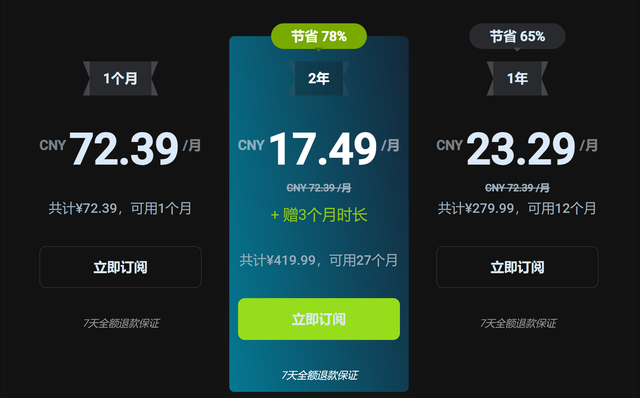
If you’re looking for a quick boost in online security while you scale VPN deployment, don’t miss checking out credible tools and options. For a seamless experience, consider a trusted VPN service as part of your security stack. NordVPN can help protect your data and privacy when you’re working remotely or testing new configurations. Try it here: NordVPN
Sources:
试用 VPN:2025 年新手指南,告别网络限制和隐私担忧
未竟之语:人生下半场的智慧,别让遗憾成为你最后的未竟之语—— VPN 隐私保护、上网自由与安全完整指南
How to insert default value in stored procedure sql server 2026 Ubiquiti VPN Not Working Heres How To Fix It Your Guide: Quick Fixes, Deep Dives, And Pro Tips
How to Download and Install the NordVPN App on Windows 11: Quick Start Guide, Best Tips, and Troubleshooting
Android auto not working with vpn heres how to fix it and practical tips for using VPNs with Android Auto 2026