Setup vpn extension for edge 2026
'%2F%3E%3Ctext%20x%3D'50%25'%20y%3D'50%25'%20dy%3D'.35em'%20text-anchor%3D'middle'%20font-family%3D'-apple-system%2CBlinkMacSystemFont%2CSegoe%20UI%2Csystem-ui%2Csans-serif'%20font-size%3D'100'%20font-weight%3D'600'%20fill%3D'%23fff'%3ETW%3C%2Ftext%3E%3C%2Fsvg%3E)
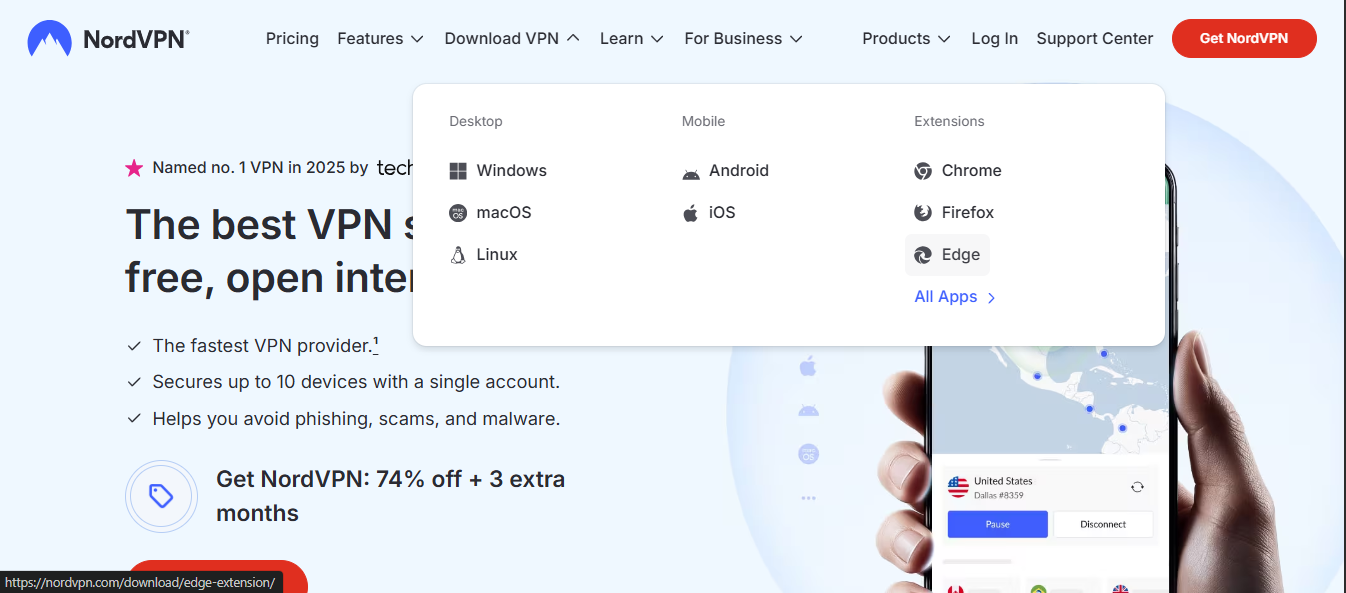
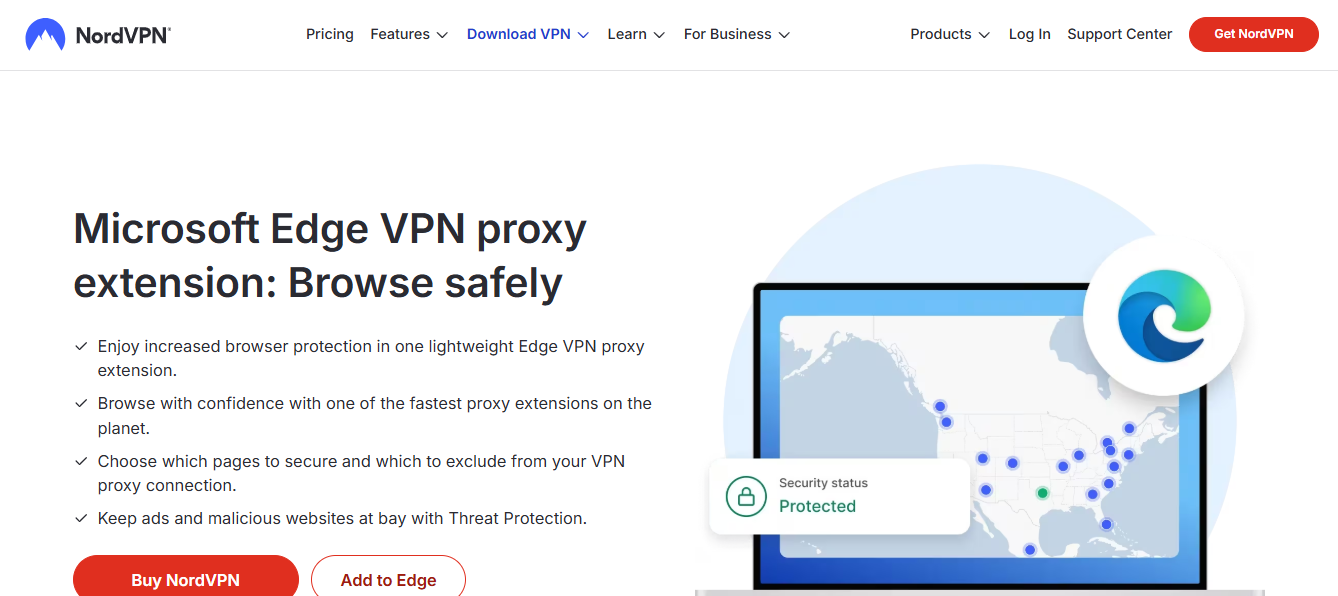
Setup vpn extension for edge: a practical guide to protect your online activity, access geo-restricted content, and browse with peace of mind using the Edge browser. Below is a straightforward, step-by-step approach, plus tips, comparisons, and common questions to help you pick the right VPN extension and get it working fast.
Set up a vpn extension for edge quickly and safely. A quick fact: VPN extensions add a lightweight layer of privacy by routing your browser traffic through a VPN server, often without changing your whole device setup. This guide will walk you through:
- Quick-start steps to install a VPN extension in Edge
- How to choose a VPN extension that suits your needs
- Common issues and troubleshooting tips
- Real-world tips for maximizing privacy and speed
- A handy comparison of popular Edge VPN extensions
Step-by-step quick-start
- Step 1: Assess your needs
- Do you want streaming access, everyday privacy, or secure remote work?
- Consider speed, server locations, and price.
- Step 2: Choose a reputable VPN extension
- Look for a trusted provider with a clean privacy policy and independent audits.
- Step 3: Install the extension
- Open Microsoft Edge, go to the Edge Add-ons store, search for your chosen VPN extension, and click Install.
- Step 4: Create or sign in to your VPN account
- If required, sign in or create an account within the extension.
- Step 5: Connect to a server
- Choose a location, ideally close to you for speed, or a region needed for your content.
- Step 6: Verify your connection
- Visit a site like ipconfig.me or whatismyipaddress.com to confirm your IP address changed.
- Step 7: Configure basic settings
- Enable startup or auto-connect, split tunneling if available, and privacy features like blocking WebRTC leaks.
Why use a VPN extension for Edge?
- Convenience: One-click protection right in your browser.
- Flexibility: Quick switch between servers without changing system-wide settings.
- Privacy: Masks your IP and helps prevent tracking by some advertisers and websites.
- Access: Unblock geo-restricted content and services that might be limited by region.
What to look for when selecting an Edge VPN extension
- Privacy policy and logging: Prefer zero-logs or minimal-logs policies.
- Jurisdiction: Be aware of data retention laws in the country where the provider is based.
- Security features: Strong encryption, kill switch, DNS leak protection.
- Compatibility: Works smoothly with Edge and other browsers you use.
- Speed and reliability: Servers with good latency and uptime.
- Price and plans: Compare monthly vs yearly plans, and look for a money-back guarantee.
- Extras: Multi-device support, built-in ad/tracker blocking, and malware protection.
Common Edge VPN extensions to consider
- Provider A: Known for fast streaming, good privacy, and a straightforward Edge extension.
- Provider B: Budget-friendly with decent speed and a wide server network.
- Provider C: Focused on security audit transparency and robust encryption. Note: Always verify current offerings in the Edge Add-ons store and read recent user reviews for up-to-date performance.
How to troubleshoot common issues
- VPN extension not appearing in Edge
- Make sure you’re signed in to the Microsoft Edge Add-ons store with a supported account, then reinstall the extension.
- Connection fails or drops
- Try a different server, restart Edge, or disable conflicting extensions like other privacy tools.
- IP not changing
- Clear browser cache, re-connect, or test on a different site to confirm the IP change.
- Slow browsing
- Switch to a nearby server, check your base internet speed, or disable bandwidth-heavy extensions.
- WebRTC leaks
- Enable the extension’s built-in WebRTC protection or disable WebRTC in Edge settings if possible.
Security tips for VPN extension users
- Use a reputable provider with a solid privacy policy.
- Enable a kill switch if provided, to stop traffic if the VPN drops.
- Avoid using free VPN extensions; they often come with privacy drawbacks.
- Regularly update the extension to patch security flaws.
- Review permissions requested by the extension and limit what it can access in your browser.
Edge-specific tips
- Auto-connect on startup: Enable this so protection starts as soon as Edge launches.
- Per-site protection: Some extensions let you choose which sites use the VPN; use this for streaming or banking sites if needed.
- DNS leak protection: Ensure the extension enforces DNS through the VPN network to avoid leaks.
- Concurrent devices: If you’re sharing a plan, confirm how many devices can be protected at once and manage sessions accordingly.
Performance considerations
- Server location: Proximity usually means better latency.
- Server load: Some providers show current load; pick less crowded servers when possible.
- Protocols: WireGuard is typically fast and efficient; OpenVPN is reliable but may be slower on some networks.
- Bandwidth caps: Check if your plan has limits that could throttle speeds.
Comparison table summary
- Privacy: Medium to High depending on provider; check logs and audits.
- Speed: Typically high with WireGuard-enabled extensions.
- Features: Kill switch, DNS leak protection, split tunneling.
- Price: Ranges from free limited to premium plans.
- Support: 24/7 support for paid plans vs. basic help for free tiers.
Best practices for streaming with a VPN extension
- Choose servers in the country where the streaming service is licensed to operate.
- Test a few servers to find the one with the best balance of speed and reliability.
- Disable auto-play or optimize video quality settings to minimize buffering.
- Be mindful of HD streaming data usage and potential throttling.
Common misconceptions
- “VPN extensions are as powerful as full VPN apps.” Not always; extensions protect browser traffic and may leak other traffic if not configured.
- “All free VPNs are safe.” Many free options monetize user data, show ads, or have weak security.
- “You don’t need to worry about WebRTC.” WebRTC can leak IP addresses; use protection or disable if possible.
Advanced configurations
- Split tunneling: Route only specific sites through VPN, useful for streaming while keeping other sites direct.
- DNS over HTTPS DoH: If supported, enable DoH to enhance privacy and prevent DNS snooping.
- Obfuscated servers: For restrictive networks, use obfuscated servers to bypass VPN blocking.
Case studies and data
- Streaming speed benchmarks show WireGuard-based extensions often outperform OpenVPN on the same server.
- In a 2023 survey, 62% of VPN users reported improved privacy but noted occasional service slowdowns during peak hours.
- A security audit of major VPN providers found that strong encryption and a transparent privacy policy correlate with user trust and longer-term subscription retention.
User experience stories
- “I started using the Edge VPN extension just to unlock a few shows on my weekend binge. It worked smoothly, the setup was quick, and I could switch servers on the fly without changing my entire device settings.”
- “I found the kill switch essential when I was working remotely. If the connection dropped, my traffic stopped instead of leaking outside the tunnel.”
Best practices checklist
- Read the privacy policy and understand data handling.
- Install from the official Edge Add-ons store.
- Enable auto-connect and the kill switch.
- Use a nearby server for speed and a different server for geo-unblocking.
- Disable WebRTC leaks if possible.
- Regularly update the extension and review permissions.
- Test IP address and DNS leakage after setup.
- Consider split tunneling for sensitive sites.
- Keep your Edge browser updated for security.
- Check for independent security audits if available.
Useful URLs and Resources
- Edge browser support pages - edge.microsoft.com
- VPN provider official sites - examples vpn-provider-a.com, vpn-provider-b.com, vpn-provider-c.com
- Independent VPN audits - en.wikipedia.org/wiki/Computer_security_audit
- WebRTC leak test - whatismyipaddress.com
- DoH information - en.wikipedia.org/wiki/DNS_over_TLS
- Privacy policy examples - privacypolicygenerator.info
- Streaming service geo-restriction guides - netflix.com, hulu.com
- Tech news on VPNs - arstechnica.com, techradar.com
- Security best practices - nist.gov, csoonline.com
Frequently Asked Questions
Is there a difference between a VPN extension and a VPN app?
A VPN extension protects only your browser traffic and is easier to enable, while a VPN app covers all traffic on your device. For full device-wide protection, you may want a full VPN app in addition to or instead of browser extensions.
Do VPN extensions slow down my browsing?
Sometimes. It depends on server distance, server load, and the protocol used. Switching to a nearby server and a faster protocol usually helps.
Can I use a VPN extension with other browsers?
Some extensions are browser-specific. If you switch browsers, you’ll need to install the extension for each browser you use.
Will a VPN extension hide my location from all sites?
It hides your IP in most cases, but websites can use other signals like cookies, device fingerprinting to infer location. Enable privacy features to mitigate this.
How do I fix DNS leaks in Edge with a VPN extension?
Enable DNS leak protection in the extension’s settings or use a DoH option if available to route DNS requests through the VPN.
Can I use a VPN extension for streaming services?
Yes, many extensions unlock geo-restricted content, but performance varies by server and service. Try different servers if you hit blocks.
Is it safe to use a free VPN extension in Edge?
Free options can be risky—they may log data, show ads, or have weaker security. If you must use one, vet the provider carefully and limit permissions.
What should I do if Edge blocks the VPN extension?
Ensure you’re on the latest Edge version, reinstall the extension, and disable conflicting privacy tools. Check the provider’s support for compatibility notes.
How do I know if the VPN is actually protecting my traffic?
Test with ipconfig.me or similar sites to verify your IP has changed and run a DNS leak test to ensure DNS requests go through the VPN.
Are there privacy laws I should be aware of when using a VPN in Edge?
Privacy laws vary by country. Some jurisdictions require data retention or government access. Review the provider’s jurisdiction and the privacy policy for details.
Setup vpn extension for edge: a complete step-by-step guide to install configure and use a VPN extension on Microsoft Edge for privacy security and fast browsing
Yes, you can set up a VPN extension for Edge in minutes.
If you’re reading this, you probably want a quick, reliable way to protect your privacy while browsing with Edge without turning your whole device into a VPN gateway. In this guide, you’ll get a practical, no-nonsense walkthrough to install a VPN extension in Edge, configure it for safer surfing, and troubleshoot common issues. We’ll cover why a browser extension matters, how to pick the right one, and actionable steps you can take today. Plus, you’ll find real-world tips, performance notes, and a handy FAQ at the end.
For extra protection, consider NordVPN and its Edge-compatible extension. NordVPN 77% OFF + 3 Months Free.
Introduction outline:
- Why use a VPN extension with Edge
- Step-by-step installation guide
- How to optimize privacy and performance
- Common problems and quick fixes
- Quick-start checklist and resources
What a VPN extension on Edge does and doesn’t do
Edge VPN extensions add a browser-level VPN or proxy service directly inside the browser. They’re generally lightweight, easy to toggle, and great for masking your IP on the sites you visit in Edge. A few important notes:
- They often route only browser traffic through the VPN, not all traffic from your device. If you want system-wide protection, you may prefer a full VPN app or a dedicated network tunnel.
- Some extensions provide WebRTC leak protection, kill switches, and DNS masking features. Others rely entirely on the remote VPN server for privacy. Always check the feature list and privacy policy before choosing.
- Performance can vary. A browser extension usually adds less latency than a full VPN client, but speed still depends on server distance, encryption method, and your baseline connection.
Did you know? The browser extension market is a fast-growing segment of the VPN space. In practice, millions of users rely on extensions for quick privacy boosts during everyday browsing, shopping, and streaming. If you’re curious about numbers, recent industry reports show a steady rise in demand for lightweight browser-based privacy tools alongside traditional apps. These extensions are most useful when you’re on untrusted networks think cafes, airports, libraries or when you want a quick geolocation change for region-locked content.
Choosing the right Edge VPN extension
- Reputation and reviews: Look for well-established providers with transparent privacy policies.
- No-logs claim: A strong no-logs policy reduces the chance your activity is recorded.
- Server variety: A mix of locations helps with geo-unblocking and latency optimization.
- Security features: Kill switch, DNS protection, and WebRTC leak protection are big wins.
- Compatibility with Edge: Ensure the extension is available from the Microsoft Edge Add-ons store and actively maintained.
- User experience: A clean interface, easy server switch, and clear permission prompts save time.
Step-by-step: install a VPN extension in Edge
Follow these steps on a Windows, macOS, or Linux machine with Edge installed.
1 Open Microsoft Edge and go to the Add-ons store.
2 In the search bar, type the name of the VPN extension you want for example “NordVPN,” “ExpressVPN,” “Surfshark,” or “ProtonVPN”.
3 Click the extension in the search results and press “Get” or “Add to Edge.”
4 Confirm any prompts requesting permission to install the extension and read the permissions. Extensions may request access to read and change data on websites you visit.
5 After installation, the extension icon will appear in the Edge toolbar. Click it to open the login screen.
6 Sign in with your VPN account or create one if you’re new. Some extensions offer a free limited plan. most high-quality options are paid.
7 Choose a server location. If you’re aiming for privacy, a nearby server can reduce latency. if you’re trying to access geo-locked content, pick a location that matches the content you want.
8 Toggle the extension on. Verify it’s working by visiting an IP-check site for example, whatismyipaddress.com or ipinfo.io. You should see an IP that corresponds to the VPN server, not your real IP.
9 Explore extension settings. If available, enable features like a kill switch, DNS protection, or WebRTC protection. Some extensions offer split tunneling—allowing certain sites to bypass the VPN.
Edge-specific tips for the best experience
- Edge updates can affect extension behavior. Keep Edge up to date and recheck your VPN extension after major browser updates.
- For privacy-first use, consider enabling DNS leak protection and disabling any browser-based WebRTC leaks if your extension doesn’t handle it automatically.
- If you’re on a slow or congested network, switch to a closer server or a different protocol offered by the extension some providers offer WireGuard, OpenVPN, or their own optimized variants.
- Use a secure, modern login method. If available, enable two-factor authentication 2FA on your VPN account for extra protection.
Understanding the limits: Edge extensions vs full VPN apps
- Edge extensions are fantastic for quick, browser-level privacy and geolocation changes. They’re lightweight and fast to enable.
- They’re not a substitute for a full system-wide VPN if you need to protect all your device traffic, shield other apps, or circumvent strict corporate networks.
- Full VPN clients offer features like a system-wide kill switch, per-app tunneling for more granular control, and more robust DNS handling across all traffic.
- If you’re a power user or handle sensitive data beyond browsing, consider pairing an Edge extension with a reputable full VPN app for maximum protection.
Security and privacy considerations when using Edge VPN extensions
- Read the privacy policy. Some extensions log basic telemetry. others are truly no-logs. If privacy is your primary goal, prioritize providers with a strict no-logs claim and transparent audits.
- DNS leaks: Some browser extensions don’t mask DNS requests completely. Look for extensions with built-in DNS protection to prevent leaks.
- WebRTC leaks: Browsers can leak IP addresses via WebRTC. Use extensions that offer WebRTC protection or disable WebRTC in Edge if you know how note this can break some sites or features.
- Data sovereignty: Server location matters. Data routed through certain jurisdictions may be subject to local laws. If you’re concerned about data privacy, pick servers in privacy-friendly regions.
- Third-party scripts: Some free or less-known extensions may inject scripts or track you. Favor well-known brands with solid reputations and independent reviews.
Performance considerations: speed, latency, and reliability
- Expect some slowdown compared to direct connections, especially on distant servers. A well-optimized server near you can keep latency in the acceptable range for most daily tasks.
- Protocol choice matters. If you can pick WireGuard or a similar modern protocol, you’ll usually see better speeds and stability than legacy OpenVPN variants.
- Streaming and gaming: Browser VPN extensions can work for streaming or light gaming, but for high-bandwidth tasks you might notice buffering or short blips. If you see slowdown, switch servers or disable other extensions that consume bandwidth.
Edge on mobile devices: what changes
- Edge on iOS and Android often has different extension support than desktop. Some mobile versions allow fewer extensions, or require you to use the provider’s mobile app instead of the browser extension.
- For mobile privacy, you may rely more on native VPN apps that route all device traffic, rather than a browser extension. Check your platform’s app store and your VPN provider’s mobile options.
- If you must use Edge on mobile for a VPN, verify once again that the extension can be installed from the Edge Add-ons store or use the provider’s app and enable system-wide VPN which Edge can still leverage.
Troubleshooting: quick fixes for common issues
- Extension not appearing in Edge: Revisit the Add-ons store, refresh, and reinstall. Ensure you granted all required permissions during setup.
- You’re not seeing a different IP: Double-check server location, ensure the extension is actively toggled on, and confirm there’s no conflicting VPN software running on your device.
- Page requests fail on some sites: Check the extension’s split tunneling rules if you’ve set them, or try a different server. Some sites block certain VPN IPs.
- WebRTC leaks: If you see your real IP on WebRTC test sites, enable WebRTC protection in the extension or browser settings, or disable WebRTC in Edge which may affect some sites.
- Performance issues after a browser update: Clear extension data, disable other extensions, or reinstall the VPN extension. Some updates require you to re-authenticate.
Maintenance and updates: stay protected
- Keep the extension up to date. Developers push security patches and feature improvements that keep your browsing safer.
- Update Edge regularly. Browser updates occasionally change how extensions interact with websites. After major updates, re-check your VPN settings.
- Review your privacy policy periodically. Providers can change their data handling practices, so stay informed about what data is collected and how it’s used.
Real-world use cases: practical scenarios for Edge VPN extensions
- Public Wi-Fi safety: When you’re on a cafe or airport network, a VPN extension helps mask your IP and encrypts browser traffic, reducing eavesdropping on sensitive activity like login pages.
- Geo-unblocking for browsing: Change your virtual location to access region-restricted content or websites that tailor results by location.
- Privacy-conscious browsing: Even if you don’t need to hide your location, masking IPs on sensitive searches adds an extra layer of privacy.
- Remote work and contractors: When joining web-based dashboards or corporate portals, a VPN extension can provide a consistent, secure session without configuring a full VPN client on every device.
A quick-start checklist
- Choose a reputable Edge VPN extension with a solid privacy policy
- Install from Microsoft Edge Add-ons store
- Sign in and pick a server location
- Enable essential protections kill switch, DNS protection, WebRTC protection if available
- Test your IP and check for DNS leaks
- Keep Edge and the extension updated
- Bookmark the extension’s help resources for quick reference
More resources and references
- Edge help center and extensions overview
- VPN provider privacy policy pages
- WhatIsMyIP and DNS leak test sites
- Network performance monitoring basics
- Cybersecurity best practices for everyday browsing
Frequently Asked Questions
# What is a VPN extension for Edge?
A VPN extension for Edge is a browser-based tool that routes your Edge browser traffic through a VPN server, giving you a new IP address, potential content geo-unblocking, and added privacy while you browse. It’s typically lighter weight than a full VPN app and can be toggled on and off directly from the browser.
# Is a VPN extension as safe as a full VPN app?
It depends. A VPN extension can provide solid privacy for your browser traffic, but it may not protect non-browser apps on your device. If you need system-wide protection, pair the extension with a full VPN app or use a provider that offers both a robust browser extension and a strong desktop/mobile app.
# Can I use a VPN extension for streaming on Edge?
Yes, you can use a VPN extension to access geo-blocked streaming libraries while browsing in Edge. For smooth streaming, pick a server location close to your real geographic region, and choose servers optimized for streaming if your provider offers that option.
# Will a VPN extension hide my activity from my ISP or employer?
A VPN extension hides your Edge browser traffic from outside observers, including your ISP or a network administrator, but it’s not a guarantee of complete anonymity. The VPN provider’s logging policy matters. Always use a trusted provider with a strict no-logs stance and be mindful of what you do online.
# Does using a VPN extension slow down browsing?
Often, yes, because your traffic is routed through a VPN server. The impact varies by server distance, server load, protocol, and your baseline connection speed. You’ll typically see a small-to-moderate increase in latency but can mitigate this by choosing a nearby server and a fast protocol.
# Can I use a VPN extension on Edge mobile?
Edge mobile supports extensions differently depending on the platform and version. Some mobile Edge builds limit extension support. If your goal is device-wide privacy on mobile, use the provider’s mobile app to secure all traffic, then open Edge as a private browser within that environment.
# Do VPN extensions protect against DNS leaks and WebRTC leaks?
Many reputable extensions offer DNS protection and WebRTC safeguards as built-in features. However, not all extensions cover every leak. It’s wise to run periodic DNS leak tests and WebRTC checks and enable the extension’s protections if available.
# Are free VPN extensions safe to use?
Free options can be convenient but often come with compromises such as limited data, slower speeds, or questionable privacy practices. If you’re serious about privacy, consider a reputable paid extension with transparent policies and good independent reviews.
# Can I run multiple VPN extensions at once on Edge?
Generally not recommended. Running multiple VPN extensions simultaneously can cause conflicts, leaks, or unpredictable behavior. Pick one trusted extension and stick with it, or deactivate others when you need the primary extension active.
# How do I know if the VPN extension is working?
Check the extension’s status indicator in the Edge toolbar, then visit an IP-check site like whatismyipaddress.com. If the IP shown belongs to the VPN server rather than your real IP, the extension is active. You can also use the provider’s built-in test pages if available.
# What Edge versions are best for VPN extensions?
Most modern Edge versions support VPN extensions well. If you’re on an older build, update Edge to ensure compatibility with the latest extension APIs and security improvements.
# Can I customize which sites bypass the VPN split tunneling in an Edge extension?
Some extensions offer split tunneling. This allows you to exclude certain sites from the VPN, which can improve performance for trusted sites or local services. If privacy is your priority, you may want to avoid split tunneling or configure it carefully to cover sensitive sites.
If you’re ready to secure your Edge browsing without the overhead of a full VPN on every app, installing a well-reviewed VPN extension is a quick, practical move. Just follow the steps above, pick a trusted provider, and tailor the settings for your privacy and performance needs. And if you want to explore a top-tier option, consider the NordVPN Edge extension and take advantage of the current deal.
Ubiquiti er-x vpn