Vpn edge browser: a comprehensive guide to using a VPN with Edge Browser for private, secure, and fast browsing on Windows 2026
'%2F%3E%3Ctext%20x%3D'50%25'%20y%3D'50%25'%20dy%3D'.35em'%20text-anchor%3D'middle'%20font-family%3D'-apple-system%2CBlinkMacSystemFont%2CSegoe%20UI%2Csystem-ui%2Csans-serif'%20font-size%3D'100'%20font-weight%3D'600'%20fill%3D'%23fff'%3ERB%3C%2Ftext%3E%3C%2Fsvg%3E)
Vpn edge browser a comprehensive guide to using a vpn with edge browser for private secure and fast browsing on windows
Vpn edge browser a comprehensive guide to using a vpn with edge browser for private secure and fast browsing on windows is all about how to pair a reliable VPN with Microsoft Edge to keep your browsing private, secure, and fast. Quick fact: using a VPN with Edge can reduce latency for some services by avoiding ISP throttling and routing traffic through optimized servers. In this guide, you’ll find a practical, step-by-step approach plus real-world tips so you can start protecting your data today.
What you’ll get in this guide
- Step-by-step setup for popular VPNs on Edge
- How to verify your VPN is actually protecting you
- Tips for streaming, gaming, and work-from-home scenarios
- Troubleshooting common Edge-VPN issues
- Quick comparison of top VPN features and prices
Useful URLs and Resources text only Apple Website - apple.com Artificial Intelligence Wikipedia - en.wikipedia.org/wiki/Artificial_intelligence Microsoft Edge Support - support.microsoft.com NordVPN - nordvpn.com ExpressVPN - expressvpn.com Surfshark - surfshark.com Private Internet Access - privateinternetaccess.com Cybersecurity Basics - csoonline.com VPN Comparison - thevpnmentor.com Certification and Privacy Standards - iapp.org
Why you should use a VPN with Edge on Windows
Using a VPN with Edge helps you:
- Hide your IP address from sites and online services
- Encrypt your connection on public Wi‑Fi
- Bypass geolocation restrictions for streaming and research
- Reduce tracking by advertisers and data brokers
A lot of users ask: does it slow down my connection? It can, but quality VPNs minimize impact with optimized servers and smart routing. In many cases, you’ll notice little to no slowdown, and you’ll gain a ton of privacy.
How VPNs work with Edge browser
Here’s the simple idea:
- Your device connects to a VPN server.
- Your Edge browser traffic then travels through that server, getting encrypted along the way.
- Websites see the VPN server IP instead of your real IP.
Two common deployment methods:
- System-wide VPN: All traffic from Windows goes through the VPN, including Edge.
- Browser-based VPN extensions: Only Edge traffic goes through a VPN proxy.
For most users, a reliable system-wide VPN is easiest and most consistent. Vpn extension microsoft edge free 2026
Quick-start guide: set up a VPN with Edge on Windows step-by-step
- Choose a trustworthy VPN
- Look for no-logs policies, strong encryption AES-256, secure protocols WireGuard, OpenVPN, and reliable Kill Switch features.
- Check performance reviews and a money-back guarantee.
- Install the VPN app or extension
- For Edge, you can either install the desktop app and enable the VPN system-wide, or install a reputable Edge extension if you prefer browser-level protection.
- If you go extension-only, make sure it’s from a trusted provider and supports reliable protocols.
- Connect to a server
- Start with a nearby server for lower latency, or pick a country based on your content needs.
- If you’re streaming, test a few servers to find one that unblocks your service without buffering.
- Verify the VPN is active
- Open a browser and go to a site like whatismyipaddress.com to confirm your IP shows the VPN server location.
- Check that Edge is indeed using the VPN by testing a leak test DNS, IPv6, WebRTC leaks.
- Adjust Edge settings for privacy
- Disable WebRTC leaks some VPNs prevent this automatically, but check.
- Clear cookies regularly or use Edge’s InPrivate browsing when needed.
- Enable tracking protection in Edge to add an extra layer of defense.
- Optimize for speed
- Choose UDP-based protocols like WireGuard for better speeds.
- Select servers in areas with good internet access and lower congestion.
- Disable background apps that consume bandwidth when you’re gaming or streaming.
- Test across use cases
- Web browsing: load heavy sites and monitor time-to-first-byte.
- Streaming: test 4K quality on platforms you use.
- Work: access corporate resources and ensure the VPN doesn’t block essential ports.
VPN setup variations for Edge: desktop app vs browser extension
System-wide VPN desktop app
- Pros: All traffic is protected, easier management, usually faster overall performance.
- Cons: Slightly more steps to configure, may impact device-wide speed.
Steps:
- Install the VPN desktop app.
- Sign in and enable the VPN, choosing a protocol and a server.
- Confirm Edge shows your VPN IP via a test site.
Edge browser extension proxy
- Pros: Lightweight, quick to switch on/off, targeted protection.
- Cons: Some features may be limited; DNS and WebRTC protection depends on extension.
Steps:
- Install the extension from the VPN provider in Edge.
- Log in, enable the extension, and connect.
- Verify protection is active and run a leak test.
Hybrid approach
- Use system-wide VPN for general browsing and a trusted extension for specific tasks requiring a different server or location.
Edge-specific tips for privacy and performance
- Use InPrivate mode for sensitive sessions; this reduces cookie buildup and helps with privacy when you’re testing different VPN servers.
- Turn on Edge’s tracking prevention Strict mode to limit cross-site tracking.
- Regularly clear DNS cache after switching servers to avoid stale routes.
- If you’re gaming, prioritize low-latency servers and enable Kill Switch to protect against sudden drops in VPN connection.
- For streaming, try different servers within the same country to bypass bandwidth throttling without too much buffering.
Security considerations and best practices
- Always enable a Kill Switch if your VPN supports it. It prevents data leaks if the VPN connection drops.
- Use DNS leak protection; many premium VPNs offer built-in DNS handling.
- Avoid free VPNs. They often log data and sell it or show you ads.
- Keep Windows and Edge updated to patch vulnerabilities.
- Use strong, unique passwords and enable two-factor authentication for your VPN account when available.
Performance optimization: getting the most from Edge with a VPN
- Prefer servers with low latency pings; run speed tests before and after connecting to choose the best server.
- If your VPN supports split tunneling, route only sensitive traffic through the VPN while leaving regular traffic on your local connection to maximize speed.
- Toggle protocol choices WireGuard vs OpenVPN based on stability and throughput in your region.
- Disable bandwidth-heavy extensions in Edge when you’re connected to a VPN for better performance.
Troubleshooting common issues
VPN won’t connect
- Check your account status, server load, and login credentials.
- Try a different server or protocol.
- Restart the Edge browser and VPN app, then re-test.
DNS leaks detected
- Enable DNS leak protection in your VPN settings.
- If using an extension, ensure it routes DNS requests through the VPN.
Slow speeds Veepn for microsoft edge 2026
- Switch to a closer server or a different protocol.
- Ensure no other apps are hogging bandwidth.
- Disable QoS features on your router temporarily while testing.
Edge won’t load pages
- Check if the VPN is connected; if not, disconnect and reconnect.
- Try a different browser profile or clear Edge cache.
Privacy and legal considerations by region
- Always follow local laws about VPN usage.
- Some services block VPNs; have a few server options ready if you’re trying to access geo-restricted content.
- Use a reputable provider with transparent privacy policies and an auditable no-logs stance.
Comparison: top VPN features to look for when pairing with Edge
- Encrypted protocols: WireGuard, OpenVPN, IKEv2
- Kill Switch and DNS leak protection
- No-logs policy with independent audits
- Fast speeds and a broad server network
- Browser extensions with secure proxy options
- Split tunneling capability
- Cross-platform compatibility Windows, Edge, mobile apps
- Live chat support and a money-back guarantee
Table: feature comparison high level
- Feature: Kill Switch | DNS Leak Protection | Split Tunneling | Server Count | Protocols | Price typical | Customer Support
- VPN A: Yes | Yes | Yes | 3000+ | WireGuard/OpenVPN | $9-12/mo | 24/7 chat
- VPN B: Yes | Yes | No | 2000+ | WireGuard | $6-10/mo | Email + chat
- VPN C: Yes | No | Yes | 1000+ | OpenVPN | $8-12/mo | 24/7 chat
Recommended practices for Edge users
- For everyday privacy: system-wide VPN with Kill Switch on, DNS protection enabled.
- For streaming: try multiple servers in the same region; keep an eye on buffering.
- For work from home: use a VPN with reliable split tunneling and strong corporate-grade encryption.
- For travel: enable auto-connect and a few backup servers in nearby countries.
Edge browser settings to maximize VPN privacy
- Disable WebRTC leaks in Edge settings or via extension that blocks WebRTC leaks.
- Use a privacy-focused search engine and consider clearing cookies and site data periodically.
- Enable Tracking Prevention at the Strict level in Edge settings.
- Regularly review site permissions and clear any unnecessary permissions.
Real-world scenarios and examples
- Scenario 1: You’re at a coffee shop; you want to browse securely on Edge. Connect to a nearby VPN server, enable Kill Switch, and use InPrivate mode for sensitive activities. You’ll see a shield of privacy even on public Wi-Fi.
- Scenario 2: You’re streaming from a service that detects your location. Switch to a server in the allowed region, verify IP, and test streaming quality. If buffering occurs, try another server in the same region.
- Scenario 3: You’re traveling and need to access your home network. Use a trusted VPN server in your home country with split tunneling so your work apps stay fast.
Maintenance and updates
- Keep your VPN app updated to benefit from the latest security patches and performance improvements.
- Periodically test your protection by performing VPN and DNS leak checks.
- Review Edge and Windows updates to ensure compatibility with your VPN client.
Frequently Asked Questions
How do I know if my VPN is protecting Edge?
You can verify by visiting a site like whatismyipaddress.com to confirm your IP shows the VPN server location, and run a DNS leak test to ensure DNS requests aren’t leaking.
Can I use Edge without a VPN?
Yes, but you’ll be exposed to more tracking and potential privacy risks on public networks. A VPN provides encryption and hides your IP.
Is it safe to use a VPN extension in Edge?
Trusted extensions from reputable VPN providers are generally safe, but you should prefer a system-wide VPN for complete protection. Urban vpn edge: the complete guide to privacy, speed, streaming, and security with Urban vpn edge 2026
Will a VPN make Edge faster or slower?
It can slow down a bit due to encryption and routing, but a good VPN with optimized servers can minimize speed loss and even improve latency on throttled networks.
Should I use kill switch with Edge?
Yes. It helps prevent data leaks if the VPN drops unexpectedly.
How do I configure split tunneling with Edge?
Check your VPN settings for split tunneling and select which apps or destinations go through the VPN. You can route Edge traffic or specific sites through the VPN while leaving other traffic direct.
Can I use a VPN to bypass geoblocks on streaming services?
Sometimes. Some services actively block VPN IPs, so you may need to switch servers or use a provider with a large, rotating server network.
How do I fix WebRTC leaks in Edge?
Use a VPN with built-in WebRTC leak protection or install a browser extension that blocks or limits WebRTC features. Use vpn edge for secure browsing and online privacy: a comprehensive guide to VPN edge for modern networks 2026
Is free VPN safe to use with Edge?
Free VPNs can be risky: limited data, questionable privacy practices, and weaker security. If you must use one, pair it with caution and only for light browsing.
How do I switch servers quickly in Edge?
Most VPN apps allow one-click server switching. In Edge, you can keep the current session and switch servers in the VPN app without losing your Edge session.
Do I need a Windows administrator account to install a VPN?
Not always, but some VPN installers require admin rights to configure network adapters or system-wide protections.
What about corporate networks and VPNs?
If you’re connecting to a corporate VPN, follow your IT department’s instructions. You may have to use enterprise-grade clients and configured profiles.
Final quick-start checklist
- Pick a trusted VPN with strong encryption, Kill Switch, and DNS protection
- Decide between system-wide VPN or Edge extension, or use both
- Connect to a nearby server for best speed; test multiple options
- Verify protection with IP and DNS leak tests
- Enable Edge Tracking Prevention and InPrivate when needed
- Use split tunneling if you need speed for non-sensitive tasks
- Keep software updated and perform periodic privacy checks
- Save a few backup server lists in case of outages
Frequently Asked Questions continued Ubiquiti edge router vpn 2026
How can I test VPN speed on Edge quickly?
Run an online speed test with the VPN connected, try different servers in nearby regions, and compare results. Note the latency ms and download/upload speeds.
Do VPNs block malware or phishing?
VPNs mainly protect privacy and data in transit. Some providers add extra features like malware protection or ad blocking, but you should still use a separate security suite.
Can I use Edge’s password manager with a VPN?
Yes. The VPN protects data in transit, but you should still manage passwords securely. Consider a password manager for strong, unique passwords.
What’s the best server location for privacy?
Mid-range locations with strong privacy laws and less traffic congestion often perform well, but it depends on your specific needs.
How often should I refresh VPN credentials?
Follow your VPN provider’s guidance. Typically, you shouldn’t need to refresh credentials frequently unless you suspect a credential leak or a security incident. Vpn for edgerouter: complete guide to configuring a VPN on EdgeRouter with OpenVPN and WireGuard options 2026
Is there a difference between VPNs for Windows vs. macOS?
Core VPN concepts are the same, but setup steps and app interfaces differ. Ensure you’re using a Windows-compatible client for Edge.
Can I run two VPNs at once on Windows?
Running two VPNs simultaneously is usually not recommended and can cause conflicts. Use one trusted VPN at a time.
How do I enable a Kill Switch on Edge?
Enable the Kill Switch in your VPN app settings. It will block traffic if the VPN disconnects unexpectedly.
Will VPN affect video conferencing quality?
It can, due to increased routing. Use a nearby server with strong stability and low packet loss for meetings.
How can I improve Edge privacy beyond a VPN?
Combine a VPN with strict tracking prevention, minimal data sharing in Edge, frequent cookie clearing, and secure search practices. What is the best vpn for microsoft edge for browser extensions, edge chromium compatibility, and system-wide protection 2026
Vpn edge browser is a browser with built-in VPN functionality designed to protect your online privacy. In this guide, you’ll learn how to use a VPN with Edge Browser, whether you want full-system protection or browser-only VPN, how to set it up, common issues, best practices, and which VPNs play nicely with Edge. We’ll cover practical setup steps, real-world tips, performance expectations, and how to stay safe online while using Microsoft Edge. If you’re shopping for a VPN, check out this deal from NordVPN—great for Edge and other browsers:
Introduction
Vpn edge browser is a browser with built-in VPN functionality designed to protect your online privacy. Here’s a concise guide to make Edge work with VPNs in the way that fits you best, whether you want a system-wide solution or browser-only protection.
- Quick-start path: decide between a full VPN app protects all traffic or a browser extension protects just Edge.
- Setup at a glance: install the VPN app on Windows, sign in, pick a server, then test your IP in Edge. If you’re opting for a browser extension, install the extension from your provider or the Edge/Chrome Web Store and enable it.
- Safety and privacy tips: enable features like a kill switch and DNS leak protection if your VPN offers them. tweak Edge privacy settings for extra protection.
- Troubleshooting basics: if pages fail to load, check for IPv6 leaks, server load, or conflicting extensions. test with a different server.
- What you’ll learn: practical setup steps, Edge-specific tips, performance expectations, and top VPNs compatible with Edge.
Useful URLs and Resources un-clickable text
- Microsoft Edge official site - microsoft.com/edge
- What is a VPN - en.wikipedia.org/wiki/Virtual_private_network
- WhatIsMyIP - whatismyip.com
- DNS leak test - dnsleaktest.com
- NordVPN official site - nordvpn.com
- ExpressVPN official site - expressvpn.com
- Surfshark official site - surfshark.com
- AVG private browsing resources - www.avg.com
- Electronically secure browsing tips - www.consumerreports.org
- Privacy guidance for Windows 11 - support.microsoft.com
Body
Understanding VPNs and Edge Browser integration
VPNs create a secure, encrypted tunnel between your device and a VPN server. All your internet traffic passes through that tunnel, which masks your real IP address and can bypass geoblocks. When you use Edge, you have two practical paths:
- System-wide VPN: installs as a regular app on Windows or macOS and routes all traffic from every application, including Edge. This is the most straightforward way to ensure complete privacy and encryption for everything you do online.
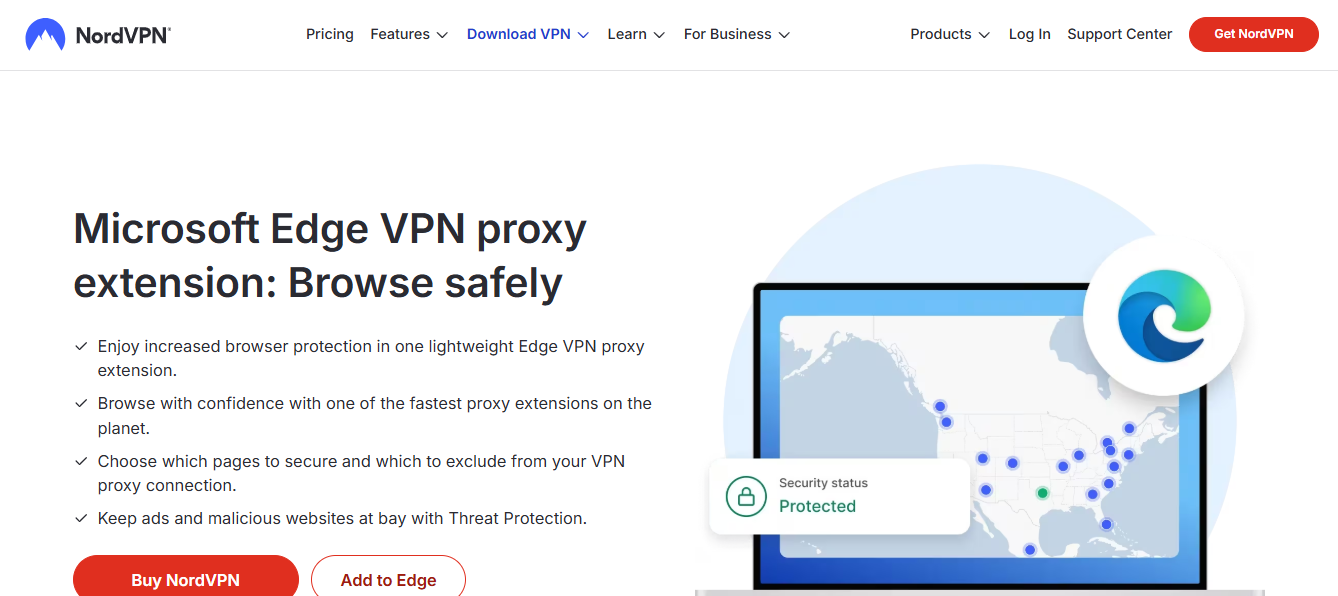
- Browser-only VPN: a VPN extension often available for Edge via the Chrome Web Store or provider’s site that specifically routes traffic from Edge. It’s lighter on system resources and ideal if you only want to protect your browser traffic.
Both options have their use cases. A full VPN app is typically better for privacy across all apps and devices, while a browser extension is convenient for quick privacy boosts while you’re browsing.
Browser extensions vs. full VPN apps: which should you choose?
- Browser extensions Edge-compatible: quick setup, lightweight, and easy to toggle. They’re great for occasional browsing, testing a new location, or when you don’t want to reconfigure your entire device. Caveat: some extensions only encrypt traffic inside the browser and may not secure other apps or background processes.
- Full VPN apps: provide system-wide protection, kill switch, DNS and IPv6 leak protection, and more granular server options. They’re ideal for protecting all online activity, from Edge to email clients, games, and software updaters.
Tip: If you’re streaming or doing sensitive work, go with a full VPN app for full coverage. If you want to test a location or just want to browse more privately in Edge, a reputable browser extension can be enough.
How to set up a VPN for Edge Browser: step-by-step
Option A: Set up a full VPN app system-wide
1 Choose a reputable VPN service look for strong encryption, a no-logs policy, and a kill switch.
2 Download the Windows app from the provider’s site.
3 Install and sign in with your account.
4 Pick a server location appropriate for your needs nearby for speed, country for access.
5 Enable security features like the kill switch and DNS leak protection in settings.
6 Open Edge and confirm your new IP by visiting whatismyip.com or similar.
Option B: Use a VPN browser extension in Edge
1 Pick a provider that offers an Edge/Chrome-compatible extension.
2 Install the extension from the provider’s site or Edge/Chrome Web Store.
3 Sign in to the extension and activate it. Some extensions let you select server locations inside the extension.
4 Test in Edge by visiting a site like whatismyip.com to verify the IP and location.
5 If you run into issues, try clearing Edge’s cache, disabling other extensions, or selecting a different server.
Pro tips
- Always test for DNS leaks after setting up. A quick test at dnsleaktest.com can reveal leaks that undermine privacy.
- If you’re using a browser extension and need broader protection, pair it with a system-wide VPN app.
- Turn on IPv6 protection if your VPN supports it. otherwise, disable IPv6 in Edge to avoid leaks.
Privacy and security enhancements when using Edge
Edge offers built-in privacy features that complement VPN use:
- Tracking Prevention: set from Basic to Strict to minimize cross-site tracking.
- SmartScreen: blocks dangerous sites and downloads, adding an extra layer of safety alongside VPN encryption.
- DoH DNS over HTTPS: enables private DNS requests. pairing DoH with a VPN can boost privacy, but ensure your VPN’s DNS is also secure to avoid leaks.
- Cookies and site data management: regularly clear cookies you don’t need, especially on shared devices.
- Edge profiles: create a separate profile for work and personal browsing to reduce cross-profile tracking.
Best practice: enable VPN protection for Edge first, then tune Edge privacy settings to avoid over-blocking essential site features.
Edge-specific privacy controls and browser hardening
- Do not rely on Edge alone for privacy. Combine with a trusted VPN.
- Use Edge’s InPrivate mode when you want to ensure no history is stored locally, especially on shared devices.
- Manage permissions for sites you visit frequently. disable unnecessary site data requests to minimize fingerprinting.
- Consider a password manager and two-factor authentication to secure your accounts in addition to a VPN.
Performance considerations: speed, reliability, and latency
- VPNs generally introduce some speed loss due to encryption and distance to the server. Typical ranges vary by protocol, server load, and distance, but you can expect anywhere from a few percent to a noticeable drop.
- Use nearby servers for speed. if you’re accessing from North America, pick a U.S. or Canadian server.
- If streaming, look for VPNs that optimize for streaming and offer specialized servers.
- If Edge feels slow, test multiple servers and consider temporarily disabling extensions that could conflict with the VPN traffic.
Unblocking geoblocked content and streaming with Edge
A reliable VPN can help bypass regional restrictions by routing traffic through servers in different locations. However, some streaming services employ aggressive VPN-blocking. If you’re primarily using Edge for streaming, select a VPN with proven unblocking capabilities and fast servers. Remember to respect service terms and local laws when using VPNs to access content.
Troubleshooting VPN issues with Edge
- Page loads fail or sites timeout: try a different server, disable IPv6 in Windows and Edge if necessary, or re-install the extension/app.
- IP not changing: ensure you’re connected to the VPN server. test again on a different site.
- DNS leaks: run a DNS leak test. enable DNS protection in your VPN. use DoH in Edge if available.
- Edge extension conflicts: disable other extensions temporarily to see if there’s a conflict.
- Kill switch not engaging: double-check settings in the VPN app. make sure the app has permission to manage network connections.
Best practices for using VPN with Edge Browser
- Use a reputable provider with a strict no-logs policy and robust encryption AES-256 or equivalent.
- Prefer a VPN that supports both IPv4 and IPv6 protections. If IPv6 leak protection isn’t available, consider disabling IPv6 on your device as a precaution.
- Enable the kill switch to prevent traffic leaks if the VPN drops.
- Use the browser extension for quick privacy boosts, but rely on a full VPN app for comprehensive protection.
- Regularly update both Edge and your VPN software to patch security vulnerabilities.
- Be mindful of legal requirements and terms of service for content you access. some services block VPNs or restrict usage.
Cost, value, and choosing the right VPN for Edge
- Subscriptions vary widely. most reputable providers offer monthly, yearly, and multi-year plans. Long-term plans are typically more economical.
- Look for features that matter to you: no-logs policy, robust encryption, kill switch, DNS leak protection, multiple device support, and fast servers.
- Check for Edge-friendly features: browser extensions that work well with Edge, easy toggling, and compatibility with Windows.
- If you’re not sure, start with a short trial or monthly plan to test performance with Edge before committing long-term.
- The NordVPN banner above is a good starting point if you want a reputable option with Edge-friendly features and strong performance.
Security considerations for corporate or sensitive use
- For work, combine a VPN with a separate enterprise-grade security solution and follow company policies.
- Ensure your VPN provider has a transparent privacy policy and strong data protection measures.
- Regularly review access controls and monitor logs where applicable to detect unusual activity.
Real-world tips and personal experiences
- For everyday browsing, a browser extension in Edge is often enough, but if you’re handling sensitive data or travel frequently, install a full VPN app to protect all traffic.
- If you’re on a public Wi-Fi network, turning on a VPN is one of the simplest ways to guard your data from prying eyes.
- Don’t rely on a single privacy tool. combine VPN security with strong passwords, two-factor authentication, and updated software for comprehensive protection.
Frequently asked questions
# What is the difference between a VPN extension for Edge and a full VPN app?
A VPN extension encrypts traffic inside the browser, protecting only Edge’s traffic, while a full VPN app encrypts all traffic from your device, offering broader protection across all applications.
# Can I use a VPN with Edge without installing anything on Windows?
Yes, you can install a browser extension that works with Edge, or use a portable VPN if your provider offers one. However, a system-wide VPN app generally provides stronger overall protection.
# Does Edge support VPN extensions natively?
Edge supports Chrome-compatible extensions, so many VPN extensions designed for Chrome work in Edge as well.
# Will using a VPN slow down my browsing in Edge?
Most VPNs reduce speed somewhat due to encryption and server distance. The impact varies by provider, server location, and protocol, but a fast, well-optimized VPN can keep drops modest.
# How do I test if my VPN is working in Edge?
Visit whatismyip.com or iplocation.net to confirm your IP address and location match the VPN server. You can also run a DNS leak test to ensure DNS requests are not leaking.
# Can I stream video using a VPN in Edge?
Yes, many VPNs have dedicated streaming servers. Be aware that some streaming services actively block VPN traffic, so you may need to try multiple servers or a different provider.
# Is it safe to use a VPN on public Wi-Fi?
Absolutely. A VPN adds a strong layer of encryption that protects your data on open networks from eavesdroppers and attackers.
# What features should I look for in a VPN for Edge?
Look for robust AES-256 encryption, a proven no-logs policy, a kill switch, DNS leak protection, IPv6 handling, fast servers, and Edge/Chrome-compatible extensions.
# Are there privacy concerns with using a VPN?
While a reputable VPN hides your IP and encrypts traffic, you should choose providers with transparent privacy policies and a trustworthy reputation. Avoid free VPNs, which may monetize your data.
# How do I set up a VPN for Edge on Windows 11?
Either install a full VPN app on Windows 11 and connect through the system, then use Edge as usual. or install a Chrome/Edge-compatible browser extension and enable it in Edge.
# Can I use multiple VPNs at once with Edge?
In general, you should use one VPN service at a time to avoid conflicts. Some advanced users run multiple layers in specific configurations, but this is unnecessary for most users and can cause connection instability.
# Do VPNs work with all websites in Edge?
VPNs work with most sites, but some streaming services and geo-restricted sites actively block VPN traffic. If a site blocks your VPN, try a different server or contact your provider’s support for recommended servers.
# How do I maintain privacy when Edge releases updates?
Keep Edge updated, and review new privacy controls after major updates. Pair Edge privacy features with a trusted VPN for a layered approach to privacy.
# Is NordVPN a good option for Edge Browser?
NordVPN is a reputable, widely used option with Edge-compatible extensions and strong encryption. It’s a solid choice for Edge users seeking reliable performance and a broad server network.
Note: This guide emphasizes practical steps and real-world use. Always choose a VPN that aligns with your privacy goals, device compatibility, and budget. For many users, a system-wide VPN app provides the most reliable privacy protection across all apps, while a browser extension can be a quick privacy boost inside Edge. Stay curious, stay secure, and browse confidently with Edge and a solid VPN setup.
Browser vpn microsoft edge