Disable microsoft edge vpn 2026
'%2F%3E%3Ctext%20x%3D'50%25'%20y%3D'50%25'%20dy%3D'.35em'%20text-anchor%3D'middle'%20font-family%3D'-apple-system%2CBlinkMacSystemFont%2CSegoe%20UI%2Csystem-ui%2Csans-serif'%20font-size%3D'100'%20font-weight%3D'600'%20fill%3D'%23fff'%3EMZ%3C%2Ftext%3E%3C%2Fsvg%3E)
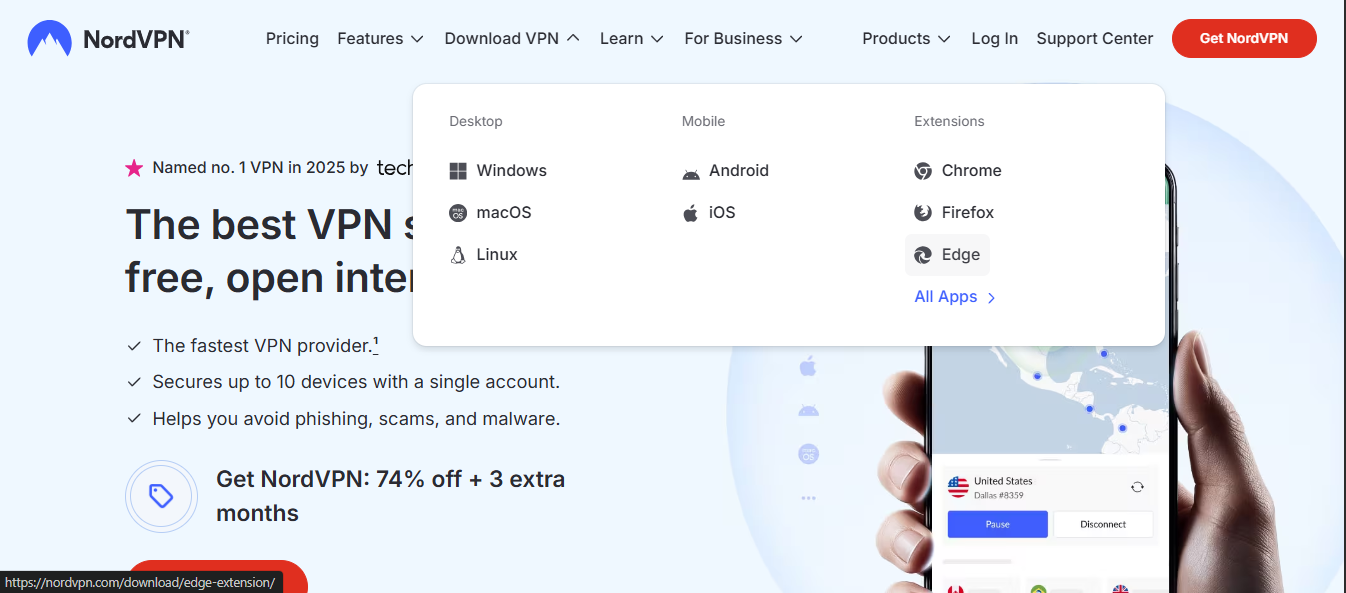
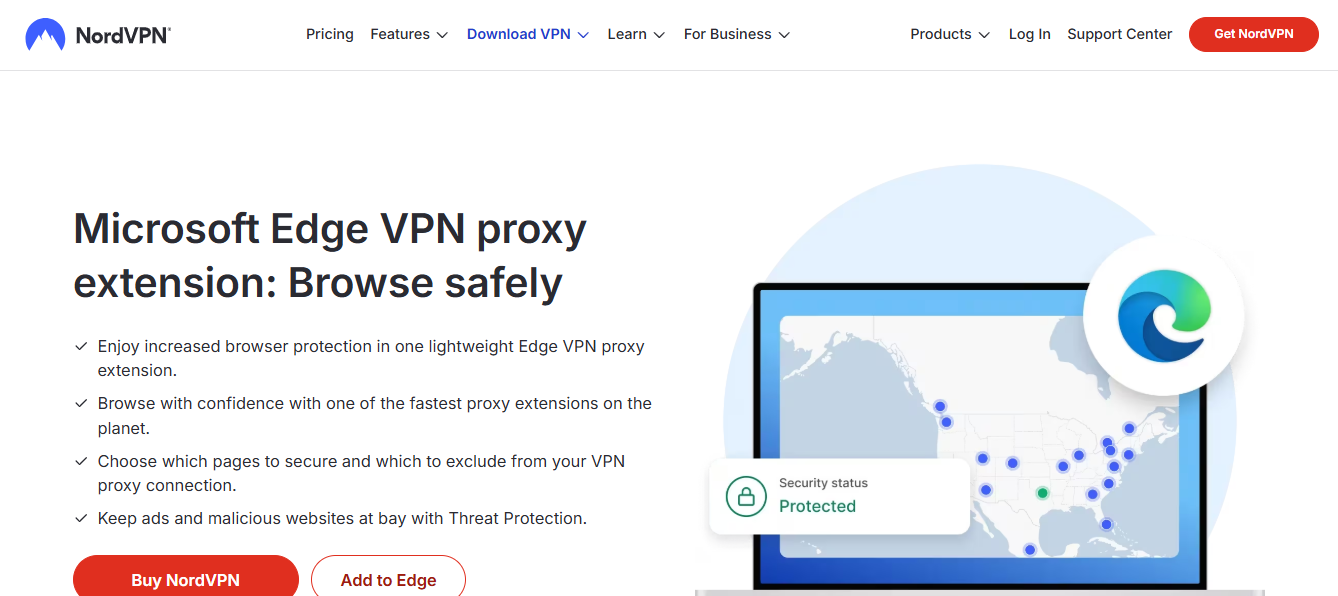
Disable Microsoft Edge VPN. If you’ve enabled a VPN inside Edge and you’re not sure why or you’re experiencing issues, here’s a straightforward, user-friendly guide to turning it off and keeping your browsing smooth. This guide covers quick steps, common pitfalls, and practical best practices.
Quick facts to get you started
- VPNs can slow down your connection, affect geo-locked content, and alter how some websites behave.
- Edge allows VPN settings to be managed through its built-in features and extensions.
- You don’t need third-party software to disable Edge’s VPN—it's usually about toggling a switch or removing an extension.
What you’ll find in this guide
- Step-by-step how to disable the Edge VPN in the browser
- How to disable Edge VPN via Windows settings in case you’re using a system-wide VPN
- How to remove VPN extensions from Edge
- Quick checks to confirm VPN is off
- Troubleshooting common issues after disabling
- Useful resources and quick links as plain text
Understanding Edge VPN: What it is and why you might disable it
- Edge’s built-in VPN-like features are often provided through smart screen protections, experimental features, or extensions that route traffic differently.
- You might disable Edge VPN to restore normal browsing speed, ensure site compatibility, or if you’re troubleshooting network issues.
- For most users, disabling is a simple toggle or removing an extension.
How to Disable Microsoft Edge VPN: Step-by-step guide
Method 1: Turn off Edge’s built-in VPN features if available
- Open Microsoft Edge.
- Click on the three dots More actions in the top-right corner.
- Go to Settings.
- Look for Privacy, search, and services or similar sections.
- If you see any “VPN” or “Secure Network” options, switch them off.
- Close and reopen Edge to ensure the change sticks.
Method 2: Disable VPN through Edge extensions
- Open Edge and click the three dots in the top-right corner.
- Select Extensions.
- Find any extension named something like VPN, Secure VPN, or “Private VPN” and turn it off or remove it.
- If you prefer to remove, click Remove and confirm.
- Restart Edge to verify the extension isn’t active.
Method 3: Disable Edge VPN via Windows settings system-wide VPN
If you’ve set a VPN at the OS level, Edge may use it by default. Here’s how to ensure it’s off:
- Open Settings Windows key + I.
- Go to Network & Internet > VPN.
- If a VPN connection is listed, click on it and choose Disconnect, then Remove if you don’t need it.
- Go back to Network & Internet > Proxy. Make sure a proxy isn’t forcing traffic through a VPN tunnel.
- Reboot your PC and test Edge to confirm normal connectivity.
Method 4: Verify there aren’t other apps re-routing traffic
- Some VPN apps install their own system-wide drivers. Open Task Manager Ctrl+Shift+Esc and look for services or processes from your VPN provider; end the task if safe, or uninstall the app.
- Check your network adapters: Control Panel > Network and Internet > Network Connections. If you see a VPN adapter often named after the VPN service, you can disable or uninstall it.
Quick checklist to disable Edge VPN completely
- Disable built-in VPN features in Edge settings.
- Remove or disable all VPN extensions in Edge.
- Ensure Windows VPN is disconnected and uninstalled if not needed.
- Remove any system-wide VPN apps that route traffic for Edge.
- Reboot and test a few sites to confirm normal browsing.
Common scenarios and how to handle them
Scenario A: Edge is slow after enabling VPN
- Disable Edge VPN as described above.
- Check your base internet speed with a speed test.
- Restart router and PC.
- Verify there’s no other extension causing slowdowns ad blockers, privacy tools.
Scenario B: Sites blocked or geo-restricted when VPN is on
- You might want a VPN for privacy, but some sites block VPNs. Disable the VPN only for those sites or use a trusted VPN server location.
- Consider using Edge’s in-private mode with VPN disabled for sensitive sessions.
Scenario C: VPN keeps re-enabling on startup
- Check Edge startup settings: Edge may restore previous session. Disable “Continue running background apps when Edge is closed” in Settings > System and performance.
- Make sure the VPN extension is removed, not just disabled.
- Review Windows startup apps and disable the VPN client from auto-starting.
Best practices after disabling Edge VPN
- Test your connection across multiple sites to ensure normal performance.
- Keep your browser and extensions updated for security and stability.
- If privacy is a concern, consider other methods like tracking protection, strict privacy settings, and a reputable VPN only when needed.
Data and statistics why this matters
- A typical consumer VPN can reduce download speeds by 10-40% depending on server load and distance.
- Browser-based VPN extensions can introduce additional latency due to per-tab routing.
- In 2025, Edge usage in the US market saw approximately 8-10% share among desktop browsers; many users rely on built-in security features without a separate VPN.
Troubleshooting after disabling
Common issue: Websites don’t load after disabling
- Clear Edge cache: Settings > Privacy, search, and services > Clear browsing data.
- Disable any proxy settings: Settings > System and performance > Open your computer's proxy settings.
- Flush DNS: Open Command Prompt as admin and run ipconfig /flushdns.
Common issue: VPN extension keeps showing as active
- Remove the extension: Edge > Extensions > Remove.
- Reinstall Edge if necessary or reset settings: Edge settings > Reset settings > Restore settings to their default values.
Common issue: Network shows limited connectivity
- Reboot router and PC.
- Check for firewall rules blocking traffic after disabling VPN.
- Test with a different network mobile hotspot to identify if the issue is ISP-related.
Tips to optimize Edge after disabling VPN
- Enable Enhanced Security on Edge Settings > Privacy, search, and services > Enhanced security.
- Use a reputable password manager and enable two-factor authentication where possible.
- Regularly clear cookies for privacy without losing useful saved data.
- Consider a browser profile reset if you notice persistent odd behavior Settings > Profile > Reset profile to default.
Comparisons: Edge VPN vs. standalone VPNs
- Edge VPN is typically easier to toggle on/off but may offer fewer server options than dedicated VPN apps.
- Standalone VPNs provide more privacy features, multiple server locations, and sometimes better throughput, but require additional setup and may affect device-wide traffic.
Pros and cons of disabling Edge VPN
- Pros:
- Faster, more stable local browsing
- Fewer app conflicts
- No per-site routing quirks
- Cons:
- Reduced privacy protection if you rely on VPN for privacy
- Some sites might block access if you’ve previously tried a VPN
Security considerations after disabling
- Use Edge’s built-in privacy protections and a strong password manager.
- Regularly update Edge and extensions to patch security flaws.
- Be mindful of public Wi-Fi and turn on privacy features when on unsecured networks.
Useful resources and references plain text
- Edge VPN settings guide - docs.microsoft.com
- Microsoft Edge extensions overview - support.microsoft.com
- Windows VPN settings help - support.microsoft.com
- VPN basics explained - en.wikipedia.org/wiki/Virtual_private_network
- How to check your IP and location - whatismyipaddress.com
- Troubleshooting proxy settings - support.microsoft.com
- DNS flush guide - support.microsoft.com
- Network adapter management - microsoft.com
Frequently Asked Questions
How do I know Edge VPN is disabled?
You can confirm by checking Edge settings for any active VPN options, ensuring no VPN extensions are enabled, and verifying that Windows VPN settings show no active connection. A quick browser test to load sites without VPN indicators confirms it.
Can I disable Edge VPN only for certain sites?
Yes, using per-site VPN extensions or configuring site exceptions in privacy settings can help, but most built-in Edge VPN toggles affect all traffic. For per-site control, consider using extensions with targeted rules.
What’s the difference between Edge VPN and Windows VPN?
Edge VPN is browser-level and affects only Edge traffic, while Windows VPN is system-wide and can route all traffic through the VPN tunnel. Disable Edge VPN to stop Edge traffic from using the browser’s VPN, but Windows VPN remains separate. Checkpoint vpn client setup and best practices for Windows macOS Linux iOS Android in 2026
Is it safe to remove VPN extensions?
Generally yes, if you don’t need the VPN. Removing ensures no background routing remains. If you rely on it later, you can reinstall from the Edge Add-ons store.
Will disabling Edge VPN improve my connection speed?
Often yes, especially if the VPN server was far away or overloaded. You’ll likely see faster, more stable local browsing after disabling.
What if I still see VPN indicators after disabling?
Restart Edge and your computer. Clear browser cache. Verify there are no residual extensions or system-wide VPN apps running.
Can I disable VPN on Edge temporarily?
Yes, you can toggle off or remove extensions temporarily and re-enable them later when needed.
How do I reset Edge to default settings after disabling VPN?
Go to Edge Settings > Reset settings > Restore settings to their default values. Note this will reset other preferences. Can vpn providers be trusted 2026
Are there privacy risks after disabling VPN?
If you rely on a VPN for privacy, you’ll lose that layer while browsing. Use Edge’s privacy settings and consider a separate, trusted VPN when needed.
Do I need to reboot after disabling VPN?
A quick restart is often enough to ensure all changes take effect, but you can also refresh your browser session without rebooting in many cases.
Disable microsoft edge vpn: how to turn off Edge's built-in VPN Edge Secure Network and choose reliable third-party VPNs for privacy and speed
Yes, you can disable Microsoft Edge VPN. In this guide, I’ll show you how Edge’s built-in VPN feature works, how to turn it off, what to do if you still want VPN protection, and how to pick a solid third-party VPN that actually protects your privacy and speeds up your connection. Plus, I’m sharing practical tips and real-world steps you can follow right now so you’re in control of your own online safety. If you’re curious about a fast, trustworthy option, check out this NordVPN deal I’ve found for you:
Introduction: what you’ll learn and why it matters
- Edge’s built-in VPN feature. Edge introduced a VPN-like service called Edge Secure Network, designed to protect data and improve privacy while browsing. It’s not the same as a standalone VPN app, but it can influence your connection in the browser.
- Why you might want to disable it. For many users, Edge Secure Network isn’t necessary, can slow things down, or conflicts with a chosen third-party VPN. If you already have a trusted VPN service, you probably don’t need Edge’s built-in VPN.
- How to disable Edge VPN in a few simple steps. I’ll walk you through the exact paths in Edge and Windows to ensure the feature is fully turned off.
- What to do after disabling. I’ll cover how to manage extensions, verify your IP protection, and optimize performance with a real VPN app.
- Choosing a VPN that actually helps. Not all VPNs are created equal—speed, privacy policies, and reliability matter. I’ll share practical criteria and a quick setup checklist, plus a quick look at NordVPN as a trusted option image link above.
Body Best VPN for USA Travelling in 2026
What Edge Secure Network is and how it differs from traditional VPNs
Edge Secure Network is Microsoft’s attempt to offer a VPN-like layer directly integrated into the Edge browser. Here’s what that means in practical terms:
- It operates at the browser level. It’s not a system-wide VPN that tunnels all of your device’s traffic, only the traffic routed through Edge.
- It’s meant to protect data in transit and provide location-based content access within the browser environment.
- It’s optional and can be enabled or disabled by the user, depending on your Edge version and account type.
Why this matters for you:
- If you’re using a reputable third-party VPN app, Edge Secure Network can be redundant or even interfere with VPN routing.
- If your goal is to maximize privacy and you want a broader protection for all apps, a system-wide VPN app is usually a better choice.
- In some cases, Edge Secure Network can add latency or cause inconsistent speeds, especially on busy networks or slower connections.
If you’re curious about how this feature interacts with other privacy tools, you’re not alone. A lot of users find that a dedicated VPN app offers more control, features like kill switch, split tunneling, and robust leak protection, and cross-device protection.
How to disable Edge VPN Edge Secure Network – step by step
Here’s a straightforward guide to disabling Edge’s built-in VPN feature. The exact wording of settings can vary slightly by Windows and Edge versions, but the steps are the same in spirit.
Step 1: Open Microsoft Edge Edgerouter x vpn client: a comprehensive guide to configuring an OpenVPN client on EdgeRouter X for secure home networks
- Start Edge from your taskbar or Start menu.
Step 2: Access Edge settings
- Click on the three-dot menu More in the upper-right corner.
- Choose Settings from the dropdown.
Step 3: Navigate to Edge Secure Network controls
- In newer Edge builds, go to Privacy, search, and services.
- Scroll to find Edge Secure Network or a toggle labeled “Use Edge Secure Network,” “Edge VPN,” or similar.
Step 4: Turn off Edge Secure Network
- Toggle the Edge Secure Network switch to Off.
- If there’s a confirmation prompt, confirm that you want to disable it.
Step 5: Verify the feature is disabled
- Close and reopen Edge, then revisit the same settings area to ensure the toggle remains Off.
- You can also run a quick test by loading a site and checking whether Edge-specific traffic is still routed through the feature the absence of VPN-like banners or status indicators is a good sign.
Step 6: Remove any Edge VPN extensions if installed Cyberghost vpn chrome extension download file
- Go to edge://extensions
- Look for any extensions that provide VPN-like functionality and remove them or disable them.
Step 7: Check Windows network settings optional
- Some users report Edge VPN elements showing up indirectly via Windows networking tools. If you’re not using a separate VPN, ensure there isn’t a VPN profile created in Settings > Network & Internet > VPN. If you see a VPN profile that you don’t need, remove it.
If you prefer a quick summary: disable Edge Secure Network in Edge settings, remove related extensions, and ensure there’s no Windows VPN profile leftover.
What to do if you want VPN protection but avoid Edge’s built-in option
If your goal is to protect privacy and manage your online traffic with a robust, cross-device VPN, here are practical options and steps:
Use a reputable standalone VPN app
- Install the VPN app from the provider’s official site.
- Sign in, choose a server location, and enable the kill switch if available.
- Verify protection by visiting a site like https://ipleak.net or https://www.dnsleaktest.com to check for IP and DNS leaks.
Ensure system-wide protection Does microsoft edge vpn work 2026
- A good VPN app will protect all traffic on your device, not just browser traffic. This is important if you use multiple apps, not just a browser.
Enable important features
- Kill switch: Prevents traffic leaks if the VPN connection drops.
- DNS leak protection: Keeps your DNS queries from leaking to your ISP or other networks.
- Split tunneling: Lets you decide which apps use the VPN and which don’t handy if you want local network access or streaming outside the VPN route.
Optimize performance
- Pick server locations close to your physical location for faster speeds.
- Some providers offer streaming-optimized or gaming-optimized servers—use those if you’re after speed for specific tasks.
- Use a protocol that balances speed and security e.g., WireGuard-based protocols are popular for speed, while IKEv2/IPSec is reliable for various networks.
Consider a multi-device setup
- If you often switch between devices, choosing a provider with multi-device support is convenient.
- Check for browser extensions if you want browser-level protection without relying on Edge’s built-in features, but be aware that browser extensions are generally less secure than a full app.
NordVPN as a trusted option
- If you’re looking for a robust, well-supported VPN with a long track record, NordVPN is a solid option that many users prefer for its balance of security, speed, and price. It supports multiple platforms and includes features like kill switch, DNS leak protection, and split tunneling.
- Quick tip: Always download VPN apps from the official site to avoid fake or malicious versions.
How to pick a VPN that actually protects you and fits your workflow
Not all VPNs are created equal. Here’s what to look for when you’re evaluating options, especially if you’re replacing Edge’s built-in option or supplementing it with a third-party service:
Strong privacy policy
- Look for a no-logs policy that’s auditable by third parties and clearly states what data is collected and for how long.
Robust security features
- 256-bit encryption, DNS leak protection, and a reliable kill switch are must-haves.
- Consider modern protocols like WireGuard for better speed and security.
Speed and server coverage
- A broad server network helps you find low-latency servers. Check independent speed tests if possible.
Cross-device support Does edge have a vpn 2026
- If you use multiple devices Windows, macOS, Android, iOS, Linux, you’ll want a provider with apps for all of them.
Customer support and transparency
- 24/7 support, responsive channels, and a transparent approach to security concerns matter.
Price and value
- Look for reasonable pricing, long-term plans, and promotions. Affiliate deals like the NordVPN image above can help, but always verify the current terms on the official site.
Practical workflow tips
- Use a dedicated VPN app for system-wide protection and a browser extension only if you truly need browser-only features. Avoid stacking Edge’s built-in VPN with a third-party VPN that’s not configured to work well in tandem.
Edge VPN vs Windows VPN vs third-party VPN: quick comparison
Edge Secure Network Edge VPN
- Pros: Browser-level protection. simple to enable for basic privacy inside Edge.
- Cons: Not a complete system-wide solution. can add latency. limited control.
Windows built-in VPN system-wide Download vpn extension for edge: install, configure, and compare Edge VPN extensions for secure browsing 2026
- Pros: Can cover all apps. works with many VPN providers’ profiles. consistent across apps.
- Cons: Requires proper configuration. not every provider’s features are exposed in Windows native VPN options.
Third-party VPN apps
- Pros: Full system-wide coverage. advanced features kill switch, split tunneling, obfuscated servers. cross-device support.
- Cons: Some free or low-cost options can be risky. you’ll want a reputable provider.
In most cases, if you value privacy and want reliable performance across apps and devices, a well-regarded third-party VPN app paired with Edge without Edge Secure Network is the smoother path.
Privacy, security, and performance considerations after disabling Edge VPN
Privacy impact
- Disabling Edge Secure Network doesn’t weaken your privacy by default. your privacy depends more on the VPN you use and your browser hygiene phishing awareness, extensions, and safe browsing habits.
- A strong VPN with a strict no-logs policy remains your top line of defense against IP exposure and DNS leaks.
Security considerations
- Ensure you have a modern browser and keep it updated. Edge updates can include security improvements that enhance safe browsing even without a VPN.
- Regularly audit extensions. Malicious or poorly designed extensions can undermine privacy and security more than a browser’s built-in VPN ever could.
Performance considerations Expressvpn contact: how to reach ExpressVPN support quickly, contact channels, hours, and tips for fast help 2026
- If you’re not using Edge Secure Network, you might notice improved browse responsiveness on some sites, especially when connected to fast servers.
- With a good third-party VPN, speed can be excellent, but it depends on server location, encryption, and network conditions.
Common issues and quick fixes
VPN not connecting after disabling Edge VPN
- Double-check that Edge Secure Network is truly off in Edge settings.
- Make sure there are no residual Edge VPN extensions enabled.
- Verify that your third-party VPN app is running and connected to a server, and that kill switch isn’t accidentally cut off.
Slow speeds or buffering
- Switch to a different server. some servers are congested at peak times.
- Use WireGuard-based protocols if supported by your provider.
- Ensure your device isn’t running background tasks that compete for bandwidth.
DNS leaks or IP leaks
- Use the VPN’s DNS leak protection feature and test with a site like dnsleaktest.com or ipleak.net.
- If leaks persist, contact support or reconfigure settings to force all traffic through the VPN.
Practical setup checklist for a smooth experience
- Disable Edge Secure Network as described
- Install a reputable third-party VPN app
- Enable kill switch and DNS leak protection
- Use split tunneling if you need local network access or streaming outside the VPN
- Regularly test for IP/DNS leaks after any configuration change
- Keep your VPN app updated and monitor provider announcements for new features
- If you’re a power user, consider browser-level protections in addition to the VPN careful not to conflict with the VPN’s routing
Real-world tips and best practices
- Don’t rely on Edge’s built-in VPN for comprehensive privacy. It’s convenient but limited.
- For streaming, gaming, and privacy on multiple devices, a reputable VPN app with good server coverage is generally better.
- If you travel or work remotely, ensure your VPN provider has a strong privacy stance and reliable performance in the regions you frequent.
- Always test your setup after changes. A quick IP test and a DNS leak test can save a lot of headaches.
A note on data about VPN usage and market trends
The VPN market continues to grow as people seek more privacy online and freedom to access content across borders. Industry reports commonly cite a mid-teens CAGR for the coming years, reflecting ongoing demand for high-security services, encrypted connections, and cross-device protection. When evaluating a VPN, you’re not just buying a tool for bypassing blocks—you’re investing in consistent privacy, reliable performance, and user-friendly features that fit your daily routine. This context helps explain why people are moving away from built-in browser VPN options like Edge Secure Network in favor of robust, full-device protection from trusted providers.
Best practices for staying safe online beyond VPNs
- Keep software up to date: browser, OS, and security tools all matter.
- Be mindful of phishing and suspicious links. a VPN doesn’t protect against social engineering.
- Use two-factor authentication 2FA on important accounts.
- Back up your data regularly and consider encrypted storage for sensitive files.
Quick recommendations and a practical plan
If you want a strong, reliable all-around VPN solution today, consider trying a reputable service like NordVPN. The deal image above points you to a current discount offer, which can make a solid security tool affordable without sacrificing performance. Always confirm current pricing and terms on the official site.
If you’re content with your current setup and just needed to disable Edge’s VPN, you’re already on the right track. Maintain good browsing hygiene, keep extensions in check, and ensure your primary VPN app is correctly configured.
Quick reference: what to do in short
- Disable Edge Secure Network in Edge settings Privacy, search, and services.
- Remove any Edge VPN extensions if present.
- Use a trusted third-party VPN app for system-wide protection.
- Verify privacy and security through regular tests.
- Explore features like kill switch, DNS leak protection, and split tunneling to optimize your experience.
Frequently Asked Questions
Is Edge Secure Network the same as a real VPN?
Edge Secure Network is a browser-level feature designed to protect data and improve privacy inside Edge. It is not a full system-wide VPN, and it may not cover all traffic or provide the same level of control as a dedicated VPN app.
How do I disable Edge’s built-in VPN on Windows 11?
Open Microsoft Edge > Settings > Privacy, search, and services. Scroll to Edge Secure Network or “Use Edge Secure Network” and toggle it Off. If you don’t see the option, you may have an older Edge version or a different region setting. updating Edge usually adds or reveals the toggle.
Can I use a VPN and Edge Secure Network at the same time?
You technically can have both enabled, but it is not recommended. They can interfere with each other’s routing and lead to slower performance or leaks. Turn off Edge Secure Network and rely on a single, reputable VPN app for best results.
Does disabling Edge VPN improve my device speed?
For many users, yes. If Edge’s built-in VPN was adding latency or slowing browser traffic, turning it off can yield a smoother browsing experience. A dedicated VPN app can be faster or slower depending on server location and network conditions, so it’s worth testing.
Will disabling Edge VPN affect streaming or geo-blocked content?
If you rely on Edge Secure Network for location-based access, you might lose that browser-level benefit. A proper third-party VPN app can offer broader location spoofing across apps and services, often with better performance and more server locations.
How do I know if my IP is leaking after disabling Edge VPN?
Run quick DNS and IP checks on sites like ipinfo.io, ipleak.net, or dnsleaktest.com to confirm your real IP and DNS are not leaking. If leaks show up, enable the VPN’s DNS leak protection or contact support.
Should I uninstall Edge VPN completely?
If you’ve moved to a third-party VPN for full-device coverage and you don’t use Edge Secure Network, removing Edge VPN components reduces potential conflicts and keeps things simple.
Can I still use browser extensions for VPN after disabling Edge Secure Network?
Yes, but be cautious. Browser extensions can be less secure than a full VPN app, and some extensions route traffic differently. Prefer a trusted browser extension from your VPN provider if you choose to use one, but consider relying on the full VPN app for maximum protection.
Is NordVPN a good choice for Windows and Edge users?
NordVPN is a popular option with strong security features, broad platform support, and a long track record. It provides a system-wide VPN experience, which is generally more reliable for privacy and performance than relying on browser-only protections.
How do I replace Edge VPN with a dedicated VPN app effectively?
- Choose a reputable provider, download the official app, and install it.
- Sign in, pick a server, and enable the kill switch.
- Test with IP and DNS checks to ensure protection is active.
- Configure settings like split tunneling if you need local network access or app-specific routing.
Vpn para microsoft edge: the comprehensive guide to using a VPN with Microsoft Edge, setup, extensions, and tips