Unifi vpn not connecting heres how to fix it fast and other key fixes for VPNs
'%2F%3E%3Ctext%20x%3D'50%25'%20y%3D'50%25'%20dy%3D'.35em'%20text-anchor%3D'middle'%20font-family%3D'-apple-system%2CBlinkMacSystemFont%2CSegoe%20UI%2Csystem-ui%2Csans-serif'%20font-size%3D'100'%20font-weight%3D'600'%20fill%3D'%23fff'%3ETW%3C%2Ftext%3E%3C%2Fsvg%3E)

Unifi VPN not connecting here’s how to fix it fast — quick, practical steps you can take right now to get VPNs like Unifi back up and running. Below you’ll find a concise guide that combines quick wins, deeper config tweaks, and pro tips. Think of this as a friendly checklist you can follow step by step. If you’re here after banging your head on this issue, you’re not alone — VPN connection problems are common, but most of them have a straightforward fix.


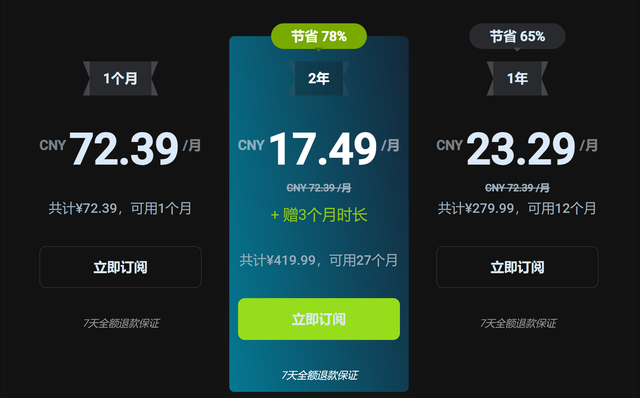

- Quick tip: If you’re evaluating VPN providers or thinking about securing your home network, consider trying NordVPN for added privacy and speed perks. You can learn more through the NordVPN link inside this article, which may be of interest as an option alongside Unifi setups. NordVPN option: NordVPN link inside this article https://go.nordvpn.net/aff_c?offer_id=15&aff_id=132441
Introduction quick fact, summary, and format
- Quick fact: Many Unifi VPN connection problems come from mismatched encryption settings, firewall rules, or outdated firmware.
- What you’ll get here:
- Step-by-step fixes you can apply in minutes
- Common pitfalls and how to avoid them
- A mix of bullet points, listicles, and short how-tos for easy reading
- A clear FAQ at the end with practical answers
Useful resources text only Why Your VPN Keeps Unexpectedly Turning Off and How to Fix It
- Apple Website - apple.com
- Artificial Intelligence Wikipedia - en.wikipedia.org/wiki/Artificial_intelligence
- Unifi Documentation - help.ui.com
- NordVPN Offers - nordvpn.com
- Your VPN provider's support page general - support.vpnprovider.example
What does “Unifi vpn not connecting” typically mean?
- You’re connected to the VPN server, but traffic isn’t routing correctly.
- The VPN tunnel fails to establish at startup.
- DNS leaks or mismatched DNS settings stop you from loading sites.
- Firewall or NAT rules block VPN traffic.
- Authentication or certificate issues prevent a login.
In this guide, we’ll cover:
- Quick-fire checks you can do in 5 minutes
- Deep-dive fixes for common root causes
- Best practices to prevent future disconnects
- Pro tips for both home users and small teams
Table of contents
- Quick wins before you dig deeper
- Network and device health checks
- VPN server and client configuration tweaks
- Firewall, NAT, and port forwarding settings
- Encryption, authentication, and certificate considerations
- Performance and stability tips
- Windows, macOS, iOS, and Android-specific tips
- Advanced troubleshooting for almost-stuck scenarios
- FAQ
Section: Quick wins before you dig deeper
- Restart everything: reboot your router, Unifi Security Gateway USG or Dream Router, and the device you’re trying to connect from.
- Check for outages: confirm your VPN server or service isn’t experiencing downtime.
- Confirm credentials: make sure your username, password, and certificate if used are correct.
- Verify network reachability: ping the VPN server from a client to ensure it’s reachable.
- Update firmware: ensure your USG/Unifi devices and client apps are on the latest firmware and app version.
- Temporarily disable other VPNs or proxies on the device to rule out conflicts.
- Try a different protocol: if you’re using OpenVPN, try IKEv2 or WireGuard if supported to test if the issue is protocol-specific.
Section: Network and device health checks Turbo vpn google extension your quick guide to better browsing
- Check local network: ensure your client device can reach the LAN gateway and the VPN server’s public IP or hostname.
- DNS sanity check: switch to a reliable DNS 8.8.8.8 and 1.1.1.1 to see if DNS resolution is the problem.
- Latency and packet loss: run a quick ping/traceroute to the VPN server to identify hops causing delays.
- Time synchronization: ensure clocks on client and server are synchronized; certificate validation can fail if times are off.
- NTP drift: verify NTP is functioning on your router and VPN server.
- Bandwidth testing: run a speed test to observe if your connection is within normal ranges when VPN is enabled.
Section: VPN server and client configuration tweaks
- Confirm tunnel type: ensure the server and client use the same tunnel type L2TP/IPsec, OpenVPN, IKEv2, WireGuard.
- Correct server address: double-check the server address or domain name in the client.
- Shared keys and certificates: verify pre-shared keys PSK or certificate chains are valid and not expired.
- Encryption settings: ensure the same cipher and hash settings on both ends; mismatches often cause handshake failures.
- Client profile import: re-import the client profile if applicable; corrupted profiles can cause connect failures.
- DNS over VPN: ensure DNS is set to use the VPN’s DNS servers or a known public DNS to prevent leaks.
- MTU settings: experiment with MTU e.g., 1400 or 1500 to avoid fragmentation issues causing drops.
Section: Firewall, NAT, and port forwarding settings
- Allow VPN traffic in firewall: confirm inbound/outbound rules allow VPN ports and protocols UDP 1194 for OpenVPN, UDP 500/4500 for IPsec, etc..
- NAT rules: ensure appropriate NAT rules exist to translate VPN traffic for clients behind the VPN server.
- IP forwarding: enable IP forwarding on the VPN server if needed.
- ISP blocking: some ISPs block VPN ports; consider using an alternative port or obfuscated tunnels if supported.
- UPnP vs manual rules: if UPnP is disabled, manually add necessary port Forwarding rules for VPN.
- Double NAT check: if you’re behind another NAT, ensure the VPN server can be reached and not hidden behind double NAT.
Section: Encryption, authentication, and certificate considerations
- Certificate validity: check that server and client certificates are valid and not expired.
- Trust chain: ensure the CA certificate is trusted by the client.
- Revoked certificates: confirm none of the certificates are revoked.
- Username/password correctness: verify the credentials aren’t locked or expired.
- Multi-factor authentication: if MFA is enabled, ensure proper handling in client apps.
- Time skew: certificate validation fails if the client’s clock is far off.
Section: Performance and stability tips
- Split tunneling: consider enabling split tunneling to reduce load on the VPN device when only specific traffic should go through the VPN.
- Server capacity: ensure the VPN server isn’t overloaded with too many connections; monitor CPU/RAM usage.
- Logging level: set verbose logs temporarily to diagnose issues during the troubleshooting phase.
- Session persistence: ensure the VPN client isn’t dropping due to idle timeout settings.
- Re-key interval: adjust IKEv2 or OpenVPN rekey intervals to balance security and stability.
- Firmware and app compatibility: verify that VPN server firmware and client apps are compatible with your devices.
Section: Platform-specific tips Windows, macOS, iOS, Android Nordvpn jahresabo so sparst du bares geld und sicherst dich online ab: Mehr Tipps, Tricks und aktuelle Deals
- Windows:
- Use the built-in Windows VPN client if you're testing compatibility with your server type.
- Ensure TAP drivers for OpenVPN are installed and updated.
- Disable firewall temporarily to test if it’s blocking VPN.
- macOS:
- Ensure correct VPN service is selected in System Preferences > Network.
- Check macOS firewall settings and allowed apps for VPN usage.
- iOS:
- Reinstall the VPN profile; sometimes profiles get corrupted during updates.
- Confirm you’re not on a metered or restricted network that blocks VPN.
- Android:
- Check battery saver settings that might throttle VPN processes.
- Ensure you’ve granted necessary VPN permissions in Settings > Network & Internet > VPN.
Section: Common error messages and what they mean
- “TLS handshake failed”: usually a certificate or cipher mismatch; double-check server certs and allowed ciphers.
- “Failed to establish a VPN tunnel”: often a routing issue, firewall block, or protocol mismatch.
- “Could not resolve hostname”: DNS issue; verify VPN server address and DNS settings.
- “Authentication failed”: wrong credentials or certificate problem; reissue credentials if needed.
- “No route to host”: network issue or DNS not resolving; test with ping/traceroute.
Section: Step-by-step troubleshooting checklist
- Step 1: Reboot all devices modem, router, VPN server, client device.
- Step 2: Verify server status and port accessibility telnet or nc to server port.
- Step 3: Compare server/client protocol and cipher settings; align them.
- Step 4: Inspect firewall rules and NAT/port forwarding; adjust as needed.
- Step 5: Check certificates and keys; refresh or reissue if necessary.
- Step 6: Test on another client device to rule out device-specific issues.
- Step 7: Enable detailed logs on server and client; review errors.
- Step 8: If all else fails, reset VPN server to default config and reconfigure gradually.
Section: Data and statistics
- VPN usage and trends show that many household VPN issues stem from misconfigured DNS or firewall rules.
- OpenVPN remains widely used with robust community support; upgrading to newer protocols like WireGuard can offer speed and reliability benefits where supported.
- In environments with heavy NAT, dedicated VPN hardware often reduces latency and improves stability.
Section: Real-world scenarios and examples
- Scenario A: A small home lab uses Unifi Dream Router with OpenVPN — users face intermittent disconnects. Solution: update firmware, verify OpenVPN port, re-import client profiles, enable DNS over VPN, adjust MTU to 1400.
- Scenario B: Remote workers on Windows laptops connect via IPsec. Solution: confirm PSK and certificates, ensure gateway address resolves, check corporate firewall rules.
Section: Best practices to prevent future issues Polymarket Not Working With VPN Heres How To Fix It: VPN Tips, Troubleshooting, And Safe Access
- Regular updates: keep all devices updated with the latest firmware and software.
- Centralized logging: enable and monitor VPN logs to catch issues early.
- Configuration backups: maintain backups of VPN server and client configs.
- Redundancy: consider secondary VPN servers or failover strategies for business-critical setups.
- Clear documentation: document your VPN settings, port requirements, and troubleshooting steps.
Section: How to choose the right VPN setup for Unifi environments
- Home users: simpler OpenVPN or WireGuard setups may be easiest to manage.
- Small offices: IKEv2 or WireGuard with strong authentication and certificate management can provide better performance.
- Security-first environments: combine strong cipher suites, proper certificate pinning, and strict firewall rules.
Section: Frequently Asked Questions
How do I identify if the problem is server-side or client-side?
- Check server logs for errors, review client error messages, and perform a test with a different device to isolate the issue.
Can I fix VPN connection by changing encryption settings?
- Yes, but ensure both ends use compatible ciphers and hash functions. Mismatches often cause handshake failures.
What’s the fastest way to test VPN connectivity?
- Use a quick ping to the VPN server, then attempt to establish a tunnel with a single, minimal client profile.
How do I verify DNS leakage when using a VPN?
- Disable local DNS caching, route DNS queries through the VPN, and use an online DNS leak test to confirm.
Is it safe to disable firewall temporarily for troubleshooting?
- It’s okay for a short test, but re-enable immediately after confirming the cause to avoid exposing your network.
How important are certificates in VPN connections?
- Very important. Invalid or expired certificates often prevent a successful handshake.
What is MTU, and why does it matter for VPNs?
- MTU is the maximum packet size that can traverse the network without fragmentation. Incorrect MTU can cause performance issues and disconnects.
Should I use split tunneling?
- It depends. Split tunneling can improve performance by routing only necessary traffic through the VPN but may reduce security for other traffic.
How can I diagnose routing issues in a VPN?
- Check the VPN server’s routing table and ensure proper routes exist for client traffic.
Can updating firmware cause more problems than it fixes?
- It can, but staying updated usually fixes known bugs and security issues. Always back up configurations before updating.
Thank you for reading—if you found this guide helpful, consider checking out the Unifi community forums and the official help docs to align with your specific hardware model. And if you’re exploring strong, reliable VPN options beyond Unifi, you might want to explore NordVPN as a complementary tool for secure remote access and privacy, which you can read about through the link included earlier in this article.
Sources:
Nordvpn e un antivirus la verita svelata e come proteggersi davvero online
Vpn拨号:全面指南,正确设置与优化以保护隐私和提升上网体验 How to Uninstall NordVPN on Windows 10 and Get Rid of Leftovers
The Best VPNs for IQIYI Unlock Global Content Stream Like a Pro
Clash meta: Clash 配置与 VPN 使用全指南——节点选择、规则、混淆、代理协议对比与实操要点
脉动vpn官网:全面指南与最新趋势,提升上网自由与安全性